How to Measure Trade Show ROI

Most companies calculate trade show ROI badly, then conclude the show “didn’t work”. The problem is rarely the show — it is the measurement. Events influence deals that close months later through channels that get the credit. This guide shows how to measure it properly: the formula, why it under-reports, how attribution fixes that, and a worked example.
The Basic Formula
ROI % = (gross profit from show-attributed revenue − total show cost) ÷ total show cost × 100
Simple enough. The hard part is the two inputs: total cost (see the exhibition stand cost breakdown — space, stand, logistics, services, staff, marketing, contingency) and show-attributed revenue, which is where it usually goes wrong.
Why the Formula Under-Reports for Events
- Long sales cycles. A lead met in March signs in October. By then the CRM source may say “website” or “sales outreach”.
- Multi-touch reality. The buyer saw an ad, met you at the show, downloaded a paper, took a call. The show was essential but invisible.
- Existing-customer value. Renewals, upsells and retention from stand meetings rarely get counted.
- Soft returns. Press, partnerships, recruitment, competitor intelligence and brand lift are real but not in the revenue line.
Measured naively, almost every show looks like a loss. Measured with attribution, the picture changes.
Fix It With Attribution
Pick a model and apply it consistently:
- First-touch — the show gets full credit if it created the lead. Simple; over-credits.
- Last-touch — whatever closed the deal gets credit. Simple; under-credits events badly.
- Multi-touch (linear or position-based) — credit shared across touchpoints. Fairest for events; needs decent tracking.
For most exhibitors, position-based (e.g. 40% first touch, 40% closing touch, 20% spread between) reflects reality well.
Set Up the Tracking
Before the show
- Put UTM parameters on every pre-show campaign link (email, social, PR, paid) with the show name as the campaign.
- Create a show-specific landing page and offer (book a meeting, demo slot, show-only pricing).
- Add a “met at [show]” field or lead source value in the CRM.
At the show
- Use a lead capture app (not a bowl of business cards) with mandatory qualifying fields: need, timeline, budget authority, next step.
- Score leads on the spot — A / B / C — so follow-up is prioritised.
- Sync to CRM daily, tagged with the show campaign.
After the show
- Tag every follow-up touch to the show campaign.
- Keep the show as a campaign in the CRM so influenced pipeline and revenue roll up automatically for 12+ months.

Worked Example
| Item | Value |
|---|---|
| Total show cost (space, 24 m² custom stand, logistics, services, 4 staff, marketing) | €48,000 |
| Qualified leads captured | 90 |
| Leads converting to opportunities | 22 |
| Closed-won within 12 months (show-influenced, position-based) | 7 |
| Revenue from those deals | €260,000 |
| Gross margin | 45% → €117,000 gross profit |
ROI = (117,000 − 48,000) / 48,000 × 100 = ≈ 144%
Add two renewals protected by on-stand meetings and a distributor signed for a new market, and the real return is higher — but even on hard numbers the show paid back.
Also Track the Leading Indicators
Revenue lags by months. Watch these straight after the show to judge execution: qualified leads vs target, cost per qualified lead, meetings held, share of leads contacted within 48 hours, opportunity conversion rate, and average lead score. If these are strong, the revenue usually follows.
Where the Stand Fits
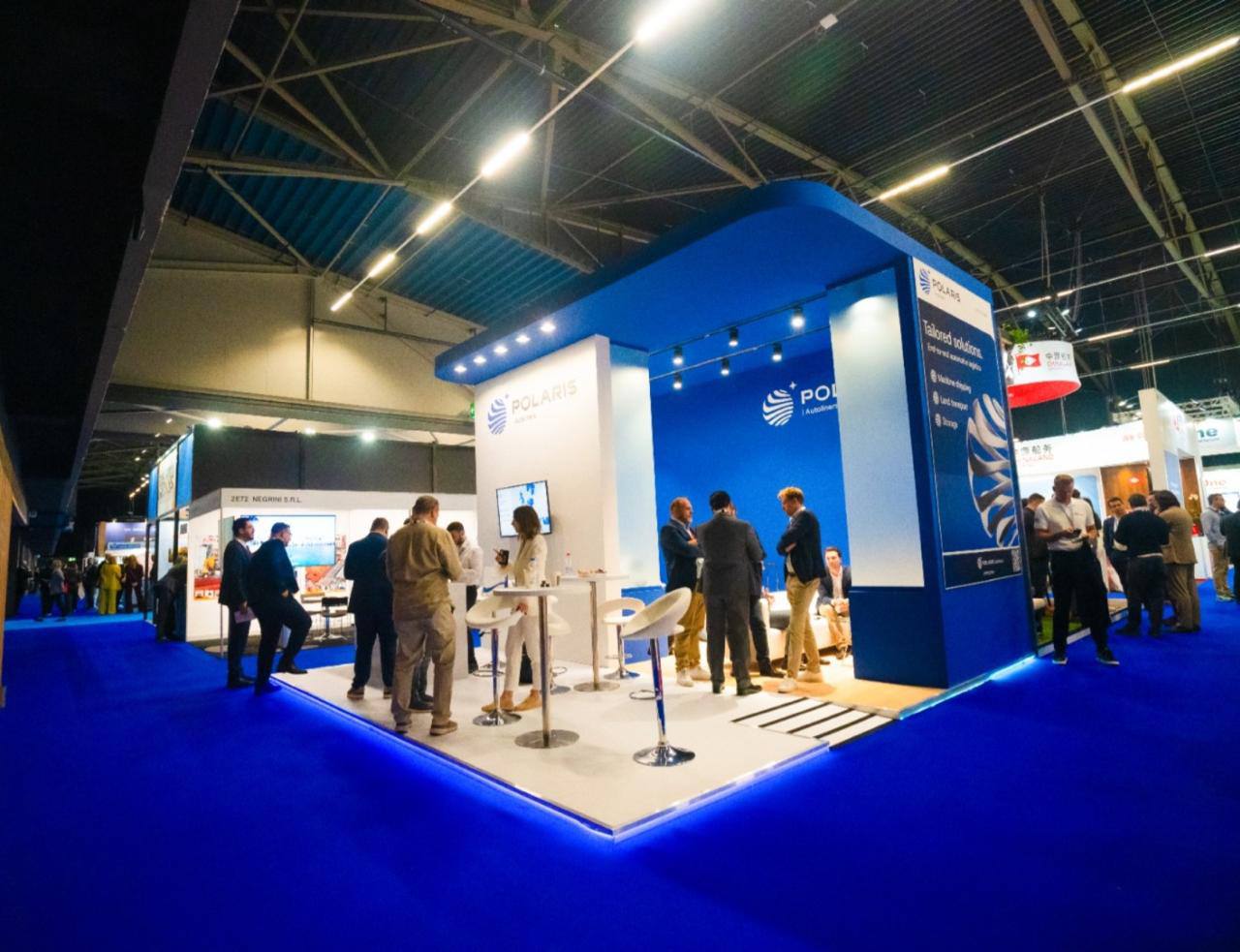
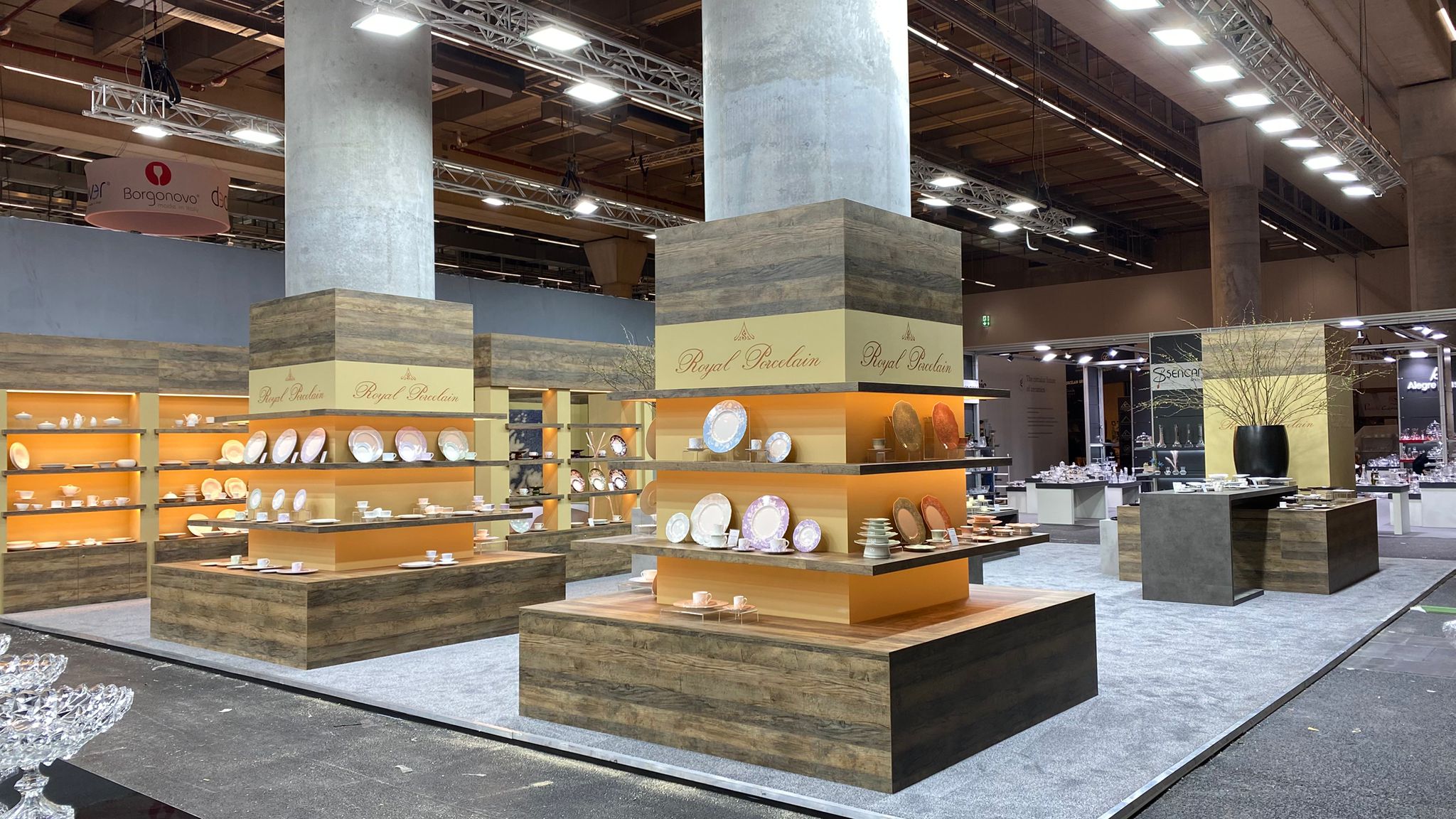
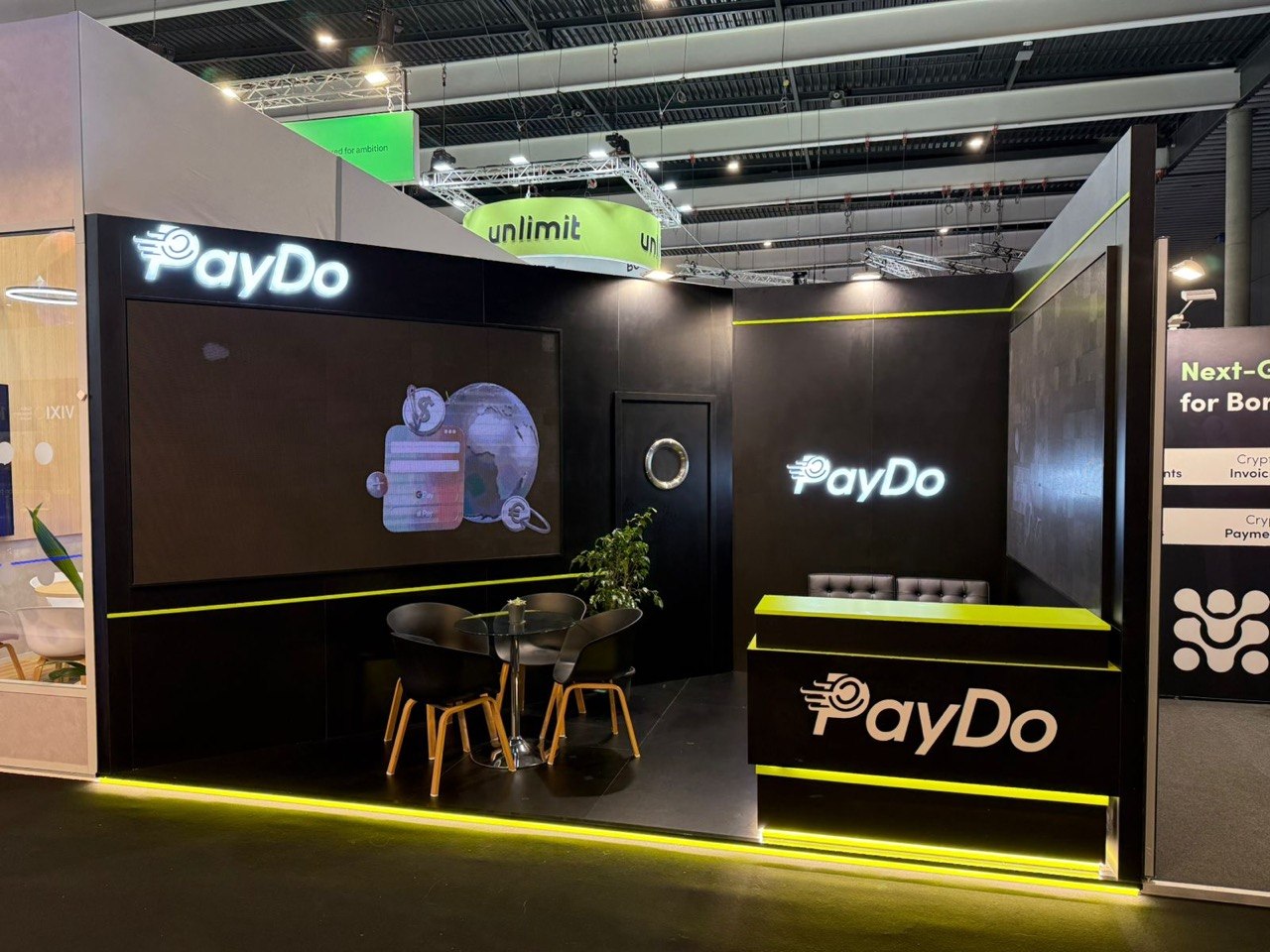
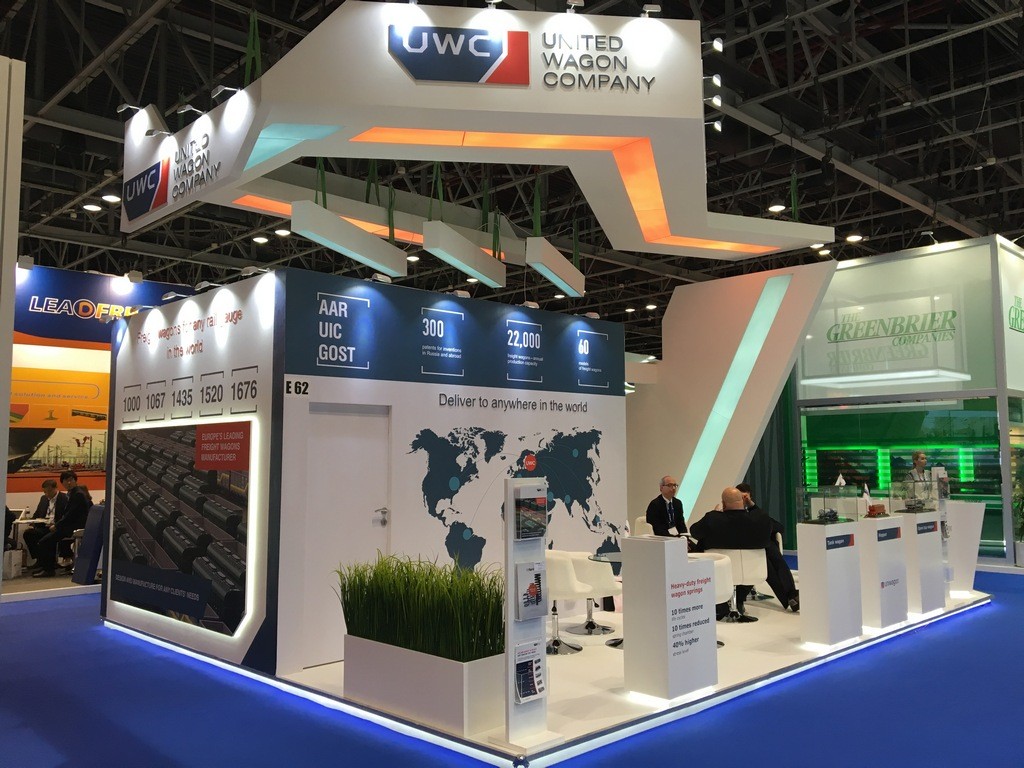
ROI improves at both ends: a stand with strong visibility and flow raises qualified footfall, and a reusable modular build spreads the cost across shows, lowering the denominator. Maverick builds both, and includes lead-capture and follow-up planning in project management. Talk to us.
Frequently Asked Questions
What is a good trade show ROI?
It varies by sector and deal size, but many B2B exhibitors target 3:1 to 5:1 (roughly 200–400% ROI) on show-influenced gross profit within 12 months. Leading indicators matter more in the first weeks.
How do you calculate trade show ROI?
(Gross profit from show-attributed revenue − total show cost) ÷ total show cost × 100. The accuracy depends entirely on tracking attribution over a full sales cycle.
Why does my trade show always look unprofitable?
Almost always a measurement problem: last-touch attribution, a short measurement window, and uncounted renewal and soft value. Switch to multi-touch attribution and a 12-month window.
What should you track at a trade show besides revenue?
Qualified leads vs target, cost per qualified lead, meetings held, percentage of leads followed up within 48 hours, and opportunity conversion rate. These predict revenue before it lands.
How long should you measure trade show ROI for?
At least one full sales cycle — typically 12 months for B2B. Keep the show as a CRM campaign so influenced pipeline and revenue accumulate against it.