The Netherlands is the easiest exhibition market in Europe to underestimate. It is small enough to drive across in three hours, yet it hosts four genuinely international venues with completely different characters — a city-centre congress machine in Amsterdam, a heavy-industry hall in Rotterdam, a drive-in fairground in Utrecht and the most demanding art fair in the world in Maastricht.
The compactness is a real advantage: one production run, one truck and one crew can service a whole Dutch season. The catch is that each venue has its own rules, its own official suppliers, and — increasingly — its own sustainability requirements that shape what you are allowed to build in the first place.
| Country | The Netherlands |
| Cities we cover | Amsterdam, Rotterdam, Utrecht, Maastricht |
| Main venues | RAI Amsterdam, Jaarbeurs Utrecht, Rotterdam Ahoy, MECC Maastricht |
| Typical stand budget | €400–€1,200 per m², depending on complexity |
| Lead time we work to | From 4 weeks; 8–10 weeks for large custom builds |
Budget range reflects turnkey custom builds and varies with materials, height, technology and venue. Ask for a fixed quote against your floor plan.
Where We Build in the Netherlands
Four venues, four different briefs. Each city page below covers the halls, the shows and the practical constraints in detail.
| City | Main venue | Shows that matter |
| Amsterdam | RAI Amsterdam | IBC, Intertraffic, Aquatech, METSTRADE |
| Rotterdam | Rotterdam Ahoy | Europort, InfraTech |
| Utrecht | Jaarbeurs Utrecht | BouwBeurs, Vakantiebeurs, Motorbeurs |
| Maastricht | MECC Maastricht | TEFAF and international congresses |
The Dutch Difference: Sustainability Is Not a Marketing Line Here
Dutch venues have moved further on circularity than most of Europe. Waste is measured, single-use build materials are discouraged and in some cases charged for, and organisers increasingly ask exhibitors what happens to the stand afterwards. This is not a box-ticking exercise — it changes the specification.
In practice it pushes design towards reusable frameworks, demountable joinery, rented furniture and graphics that can be re-printed rather than whole walls rebuilt. Done badly, that means a stand that looks like a system. Done properly, it looks bespoke and simply happens to come apart cleanly. That is a design problem, and we solve it at concept stage rather than at the skip.
- Reusable structure, bespoke skin. The frame lives for years; the surface changes per show.
- Demountable joinery. Panels sized for transport and re-assembly, not glued into place.
- Storage between shows. In a country this compact, storing and redeploying beats rebuilding almost every time.
What a Dutch Build Involves
- Booked delivery slots. RAI in particular is in the middle of a city — trucks arrive on a timetable, and there is little room to stage materials on site.
- Low-emission zones. Amsterdam and Rotterdam restrict older commercial vehicles in the city centre; transport has to be planned around it, not discovered on arrival.
- Official supplier systems. Power, rigging, internet and waste are ordered through the venue with published deadlines and late fees.
- Drive-in halls where it counts. Utrecht and Rotterdam are built for heavy exhibits — machinery, vessels, infrastructure — which opens up designs that would be impossible elsewhere.
All of it sits inside our installation and set-up service. You get one schedule and one project manager, not four venue relationships.
Stand Types That Work Here
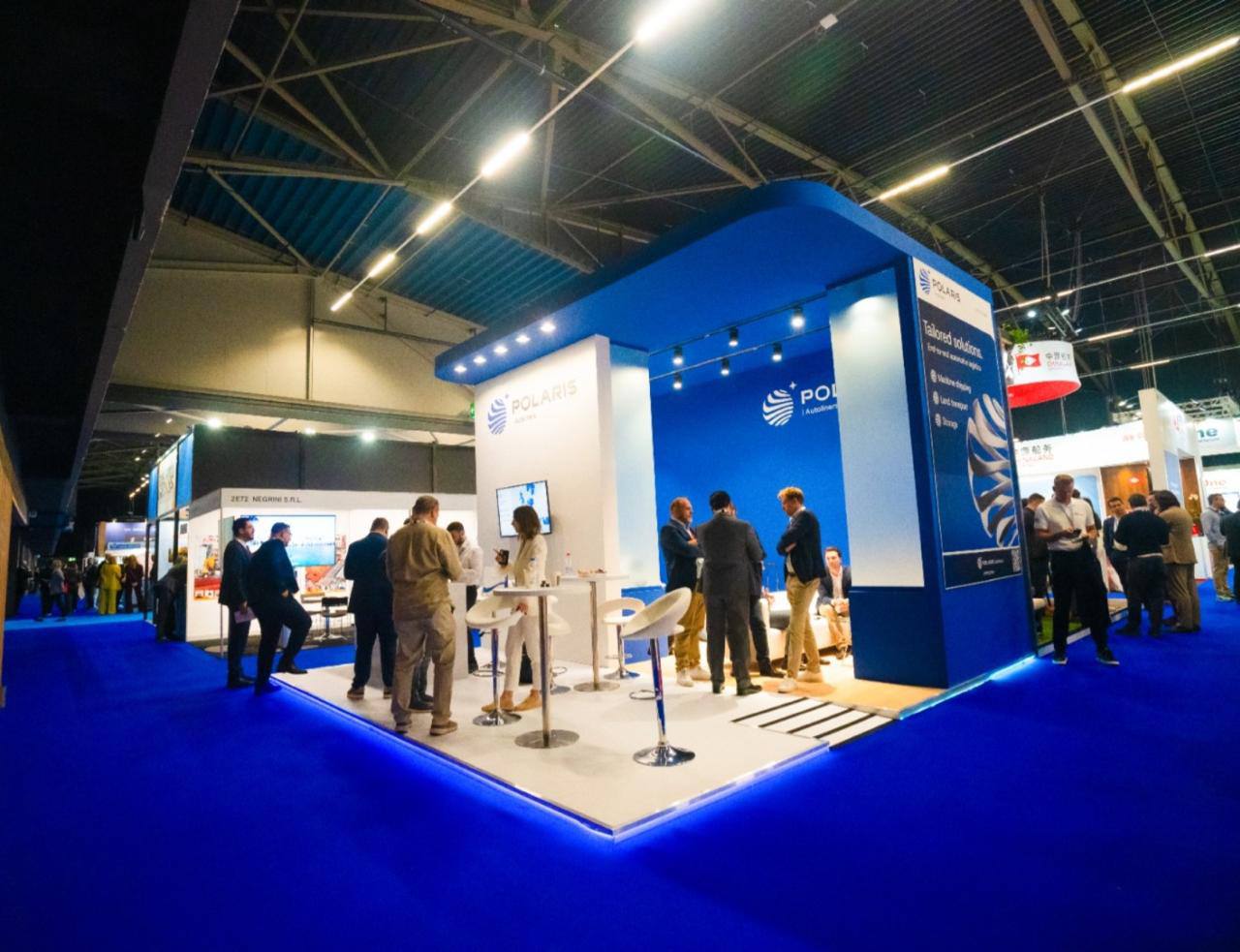
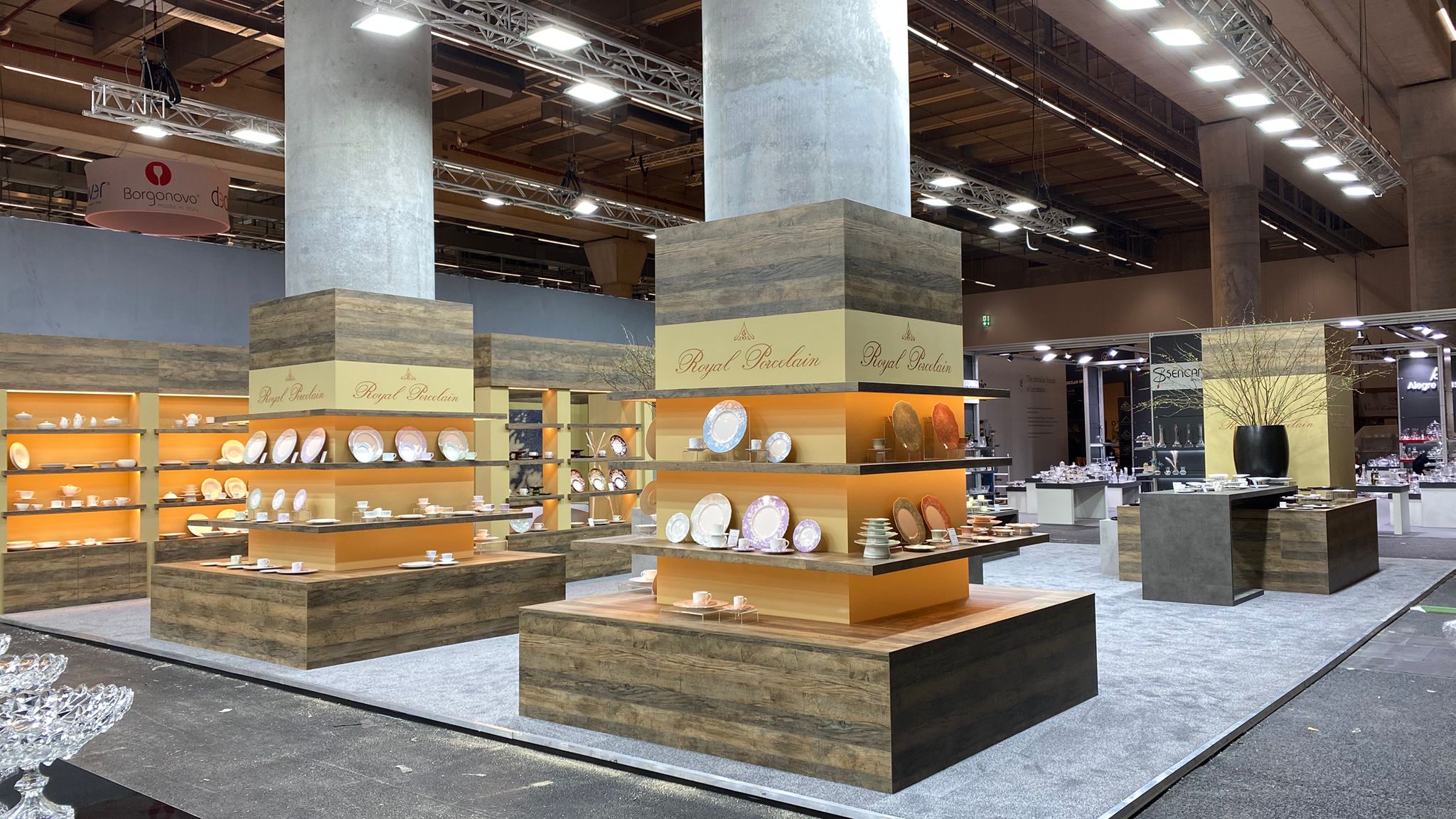
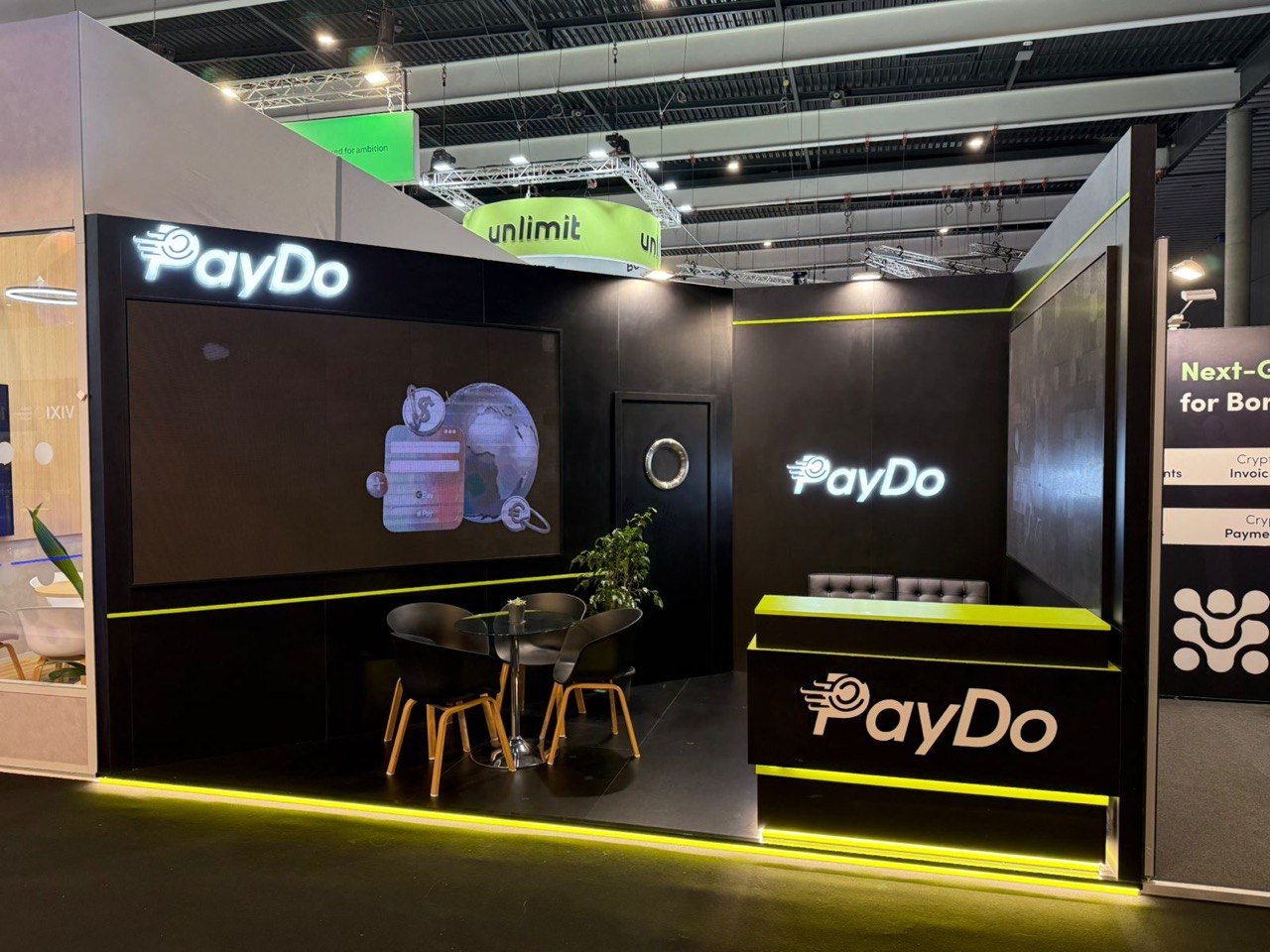
- Custom exhibition stands — for IBC, TEFAF or Europort, where the stand carries the reputation.
- Reusable modular systems — the natural fit for a Dutch season across three or four venues.
- Large and double-deck stands — where floor space is capped and meetings have to go upstairs.
Why Exhibitors Choose Maverick in the Netherlands
One team, four venues. The same crew and the same standard from Maastricht to Amsterdam — no re-briefing a new local contractor each time.
Our own production. Built in our workshops, transported in, installed under our supervision.
Built to come apart. Reusable by design, which suits both Dutch venue policy and your budget across a season.
Someone on site who can decide. A project manager attends the build with the authority to solve problems in the aisle.


Exhibiting in the Netherlands: Questions We Get Asked Most
Is it cheaper to store a stand here or rebuild each time?
For two or more Dutch shows a year, storing and redeploying is almost always cheaper — the country is small, transport is short, and the venues favour reusable builds. We store, inspect and refresh between events.
How much does an exhibition stand in the Netherlands cost?
Typically €400–€1,200 per m² turnkey. Amsterdam sits at the higher end because city-centre logistics and labour cost more; Utrecht and Rotterdam are generally more forgiving. Structural complexity and double-deck construction move the number more than floor area does.
Do you handle the venue paperwork?
Yes — accreditation, safety documentation, hall service orders and delivery slots are part of the job, not an extra. It is the single most common reason exhibitors lose a build day.
Planning a Dutch Season?
Tell us the venues and dates and we will plan the whole run as one project — design once, build once, redeploy across Amsterdam, Rotterdam, Utrecht and Maastricht. Call us now.