
Modular Exhibition Stands: The Complete Guide

A modular exhibition stand is built from a reconfigurable system — a frame plus graphic or fabric panels — that can be rebuilt at different sizes and in different layouts across many shows. Done well, it gives a regular exhibitor a consistent brand presence and a per-show cost that drops sharply after the first outing. Done badly, it looks like a wall of panels with visible joins.
Maverick designs and builds both modular systems and custom stands, so this guide is not a sales pitch for one product. It is what you actually need to know before choosing a modular route.
What “Modular” Means Today
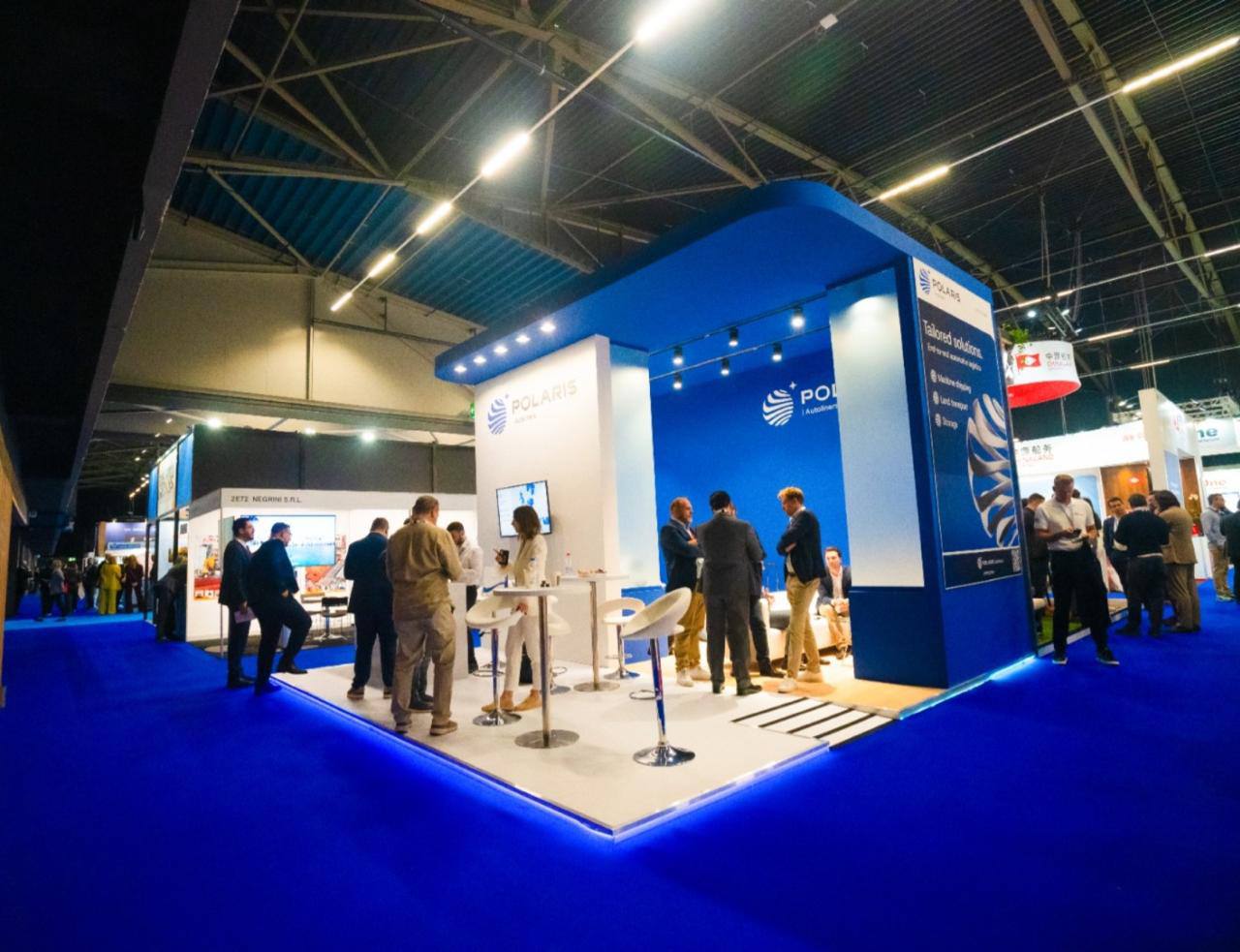
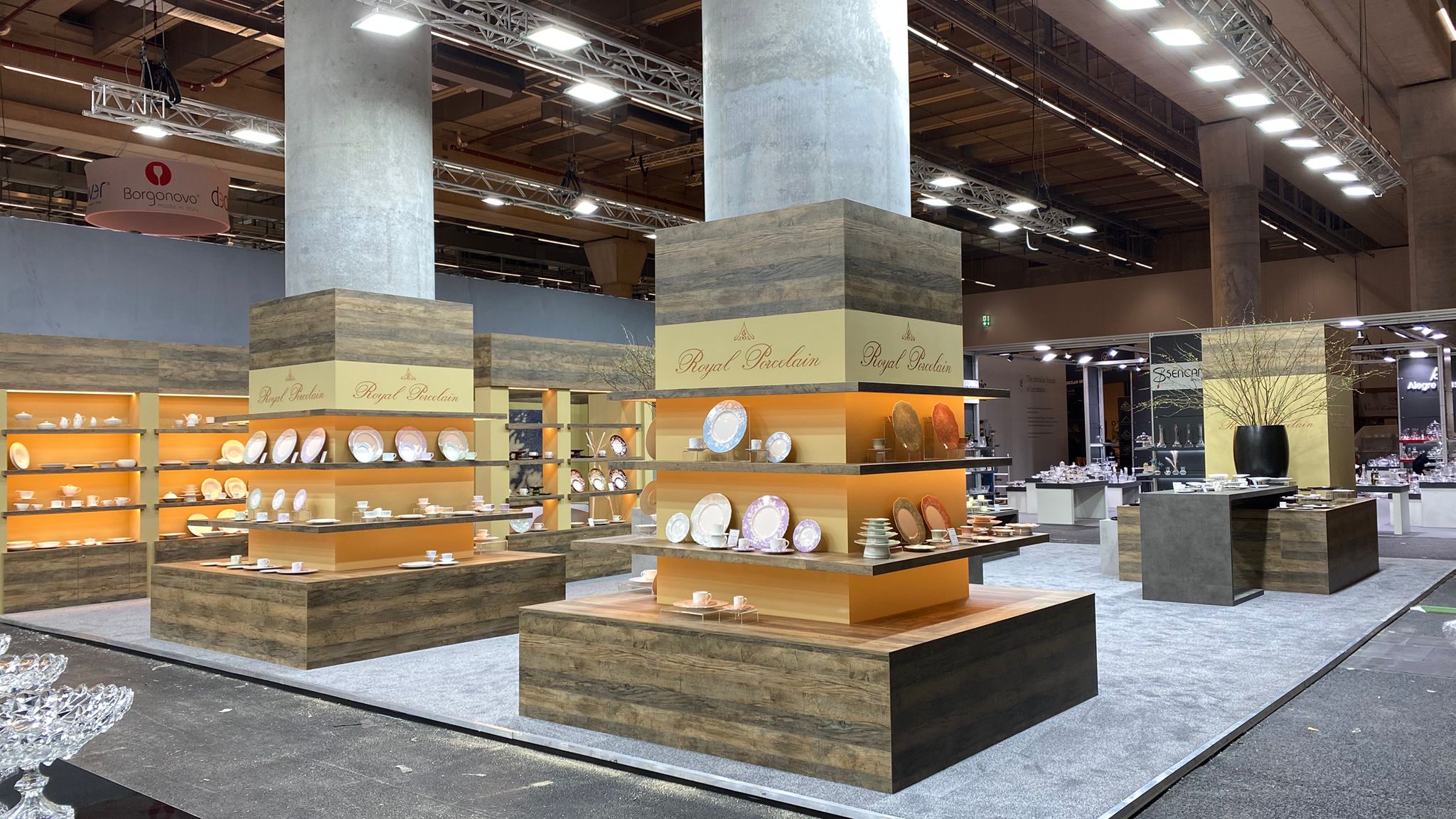
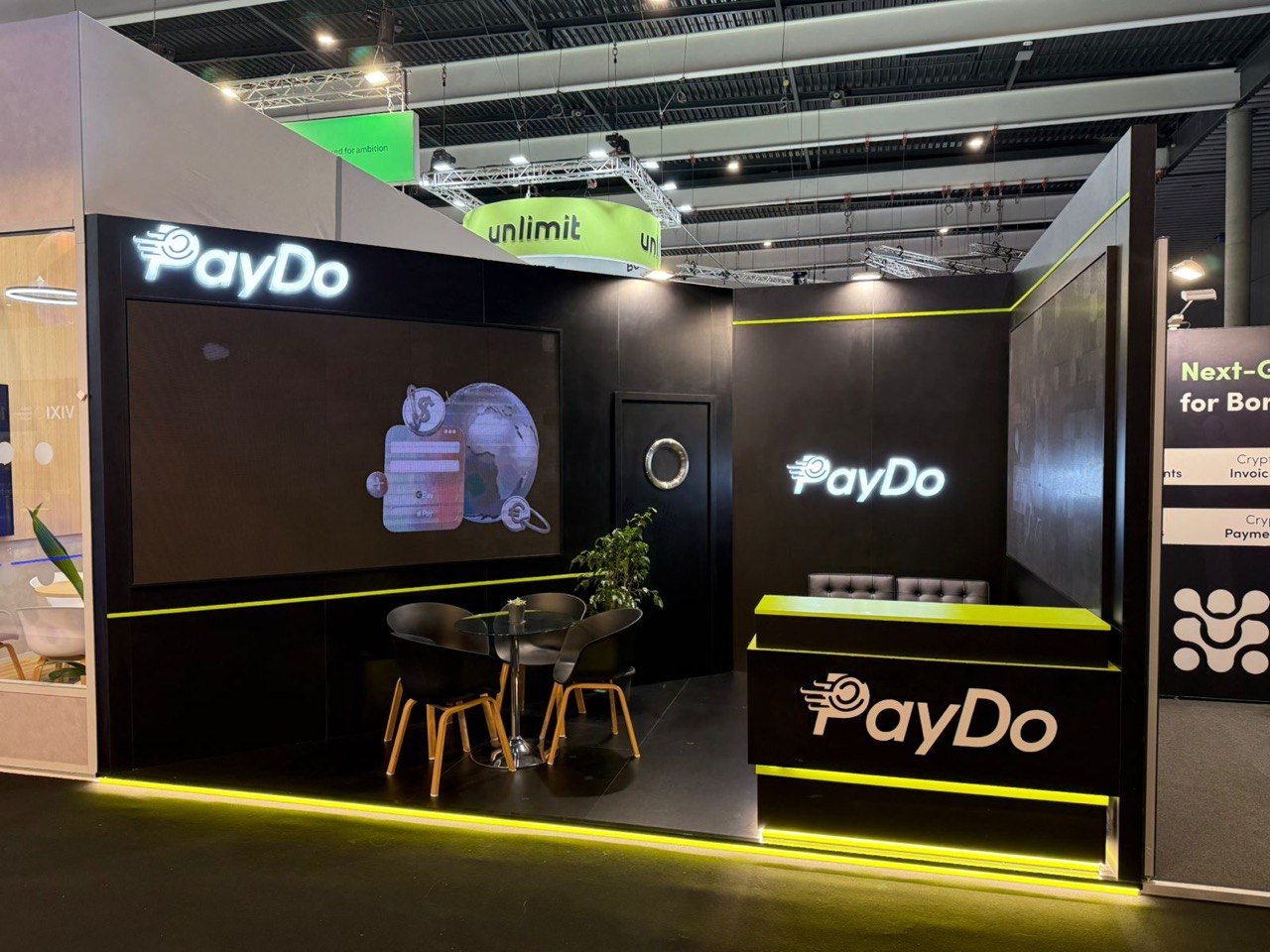
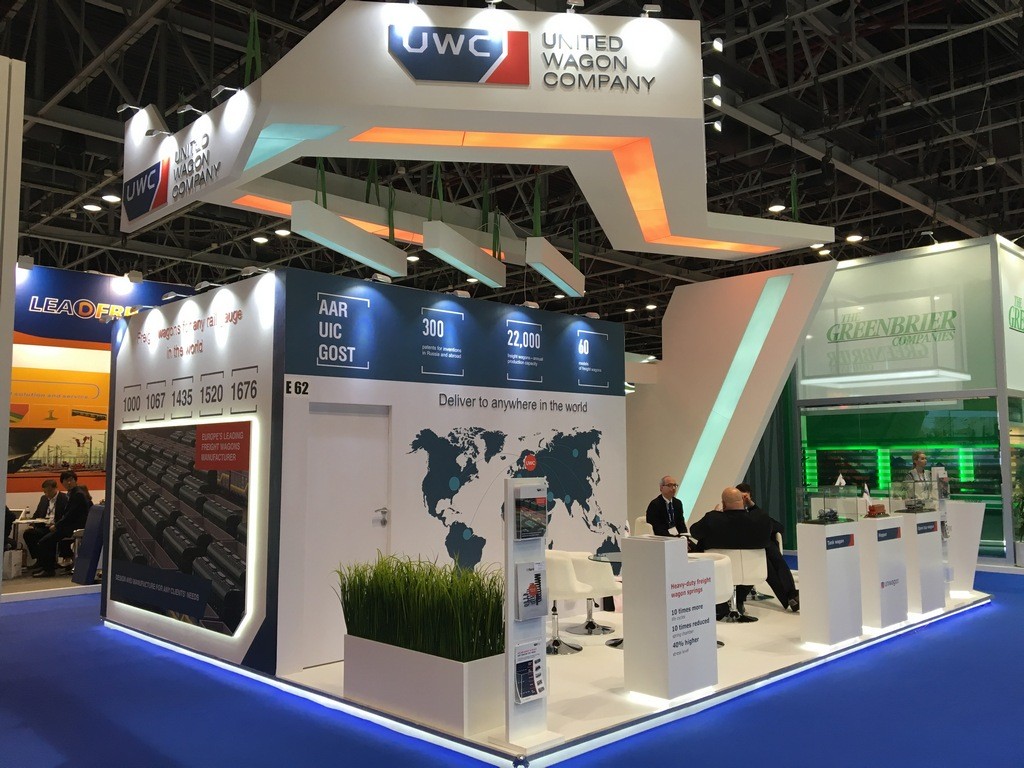
Modern modular systems are not the boxy pop-ups of ten years ago. A well-specified system supports:
- curved and angled walls, varied heights and towers;
- seamless large-format graphics, extended to the floor;
- integrated backlighting, screens and display cases;
- bespoke feature elements — a demo pod, a reception desk, a hospitality area — added to the reusable core.
The point is the frame is reused across a calendar of shows; only the graphics are refreshed. See the difference laid out in modular vs custom exhibition stands.
The Benefits
- Cost across a calendar. The first build is the expensive one. Reinstalls are a fraction of that, so a stand used at four shows a year pays back quickly — see the exhibition stand cost guide.
- One footprint becomes many. The same kit builds a 12 m² row stand and a 40 m² island.
- Consistent branding. Every show looks like your brand, run by one contractor.
- Faster, tool-light builds and lower labour on site.
- A real sustainability story. Reused frames and refreshed graphics — the hardware earns its full life. This is the basis of a sustainable exhibition stand.
- Simple storage. Systemised components pack down and warehouse compactly between shows.
When a Modular Stand Is the Right Choice
- You exhibit three or more times a year.
- Your stand size changes between shows.
- You want a predictable budget and a repeatable process.
- Sustainability is part of how you present the brand.
- Lead times are often tight — a system rebuilds faster than a custom build.
When It Isn’t
Be honest about the limits:
- The structure itself is the concept — a sculptural form, a double-decker, an outdoor build. That needs custom (or a double-deck booth).
- You have one flagship show a year and the budget to make a statement — custom impact may be worth more than reconfigurability.
- You need to integrate very heavy machinery or specific end-to-end real-material finishes.

What a Modular Stand Costs
As a 2026 guide, roughly €150–350 per m² for design and build of the first outing, with reinstalls well below that. A 20 m² modular stand typically lands around €4,000–7,000 for the stand element, before graphics changes, logistics, services and staff. Figures vary with the system, the feature content and the country — request a quote for your show.
Designing a Modular Stand That Doesn’t Look Modular
- Lead with graphics and lighting, not structure.
- Extend branding to the floor to define the space.
- Add one or two custom feature elements to the reusable core.
- Plan the reconfigurations up front — design the 12 m², 20 m² and 40 m² versions together so every layout works. This is the essence of a reconfigurable exhibition stand.
For an example, our MGID modular stand at DMEXCO has run across multiple editions in different sizes from one investment.
How Maverick Approaches It
We start from your show calendar and objectives, then recommend modular, custom or a hybrid — and say which honestly. Either way you get one partner for design, build and project management, installation and storage. See our work or send us your brief.
Frequently Asked Questions
Are modular exhibition stands cheaper than custom?
For the first build, yes. Across three or more shows the gap widens further, because a modular stand reinstalls at a fraction of its original cost while a custom stand needs rebuilding or heavy adaptation each time.
Do modular stands look cheap?
Not when designed properly. Current systems handle curves, seamless backlit graphics, integrated screens and bespoke feature elements. A good modular stand is hard to tell from custom on the show floor.
How many times can a modular stand be reused?
The aluminium frame is designed for many years of repeat use; graphics are refreshed as branding changes. The economics improve every time you exhibit.
Can a modular stand be a different size at each show?
Yes — that is the main advantage. One kit builds several footprints. The reconfigurations should be designed together at the concept stage so every layout works.
What is the difference between a modular stand and a pop-up?
A pop-up is a small, fixed, low-cost display. A modular system is a properly engineered, reconfigurable structure that supports curves, lighting, screens and custom features at exhibition scale.