Exhibition Stand Features That Earn Attention

Features are the elements on a stand that do a specific job: pull people in from the aisle, hold their attention, show a product properly, or give the team a place to close. Used well, one or two strong features lift a stand above its neighbours. Used badly, a pile of gadgets just adds clutter and cost.
This guide covers the features worth the budget, and how to choose between them.
Lighting
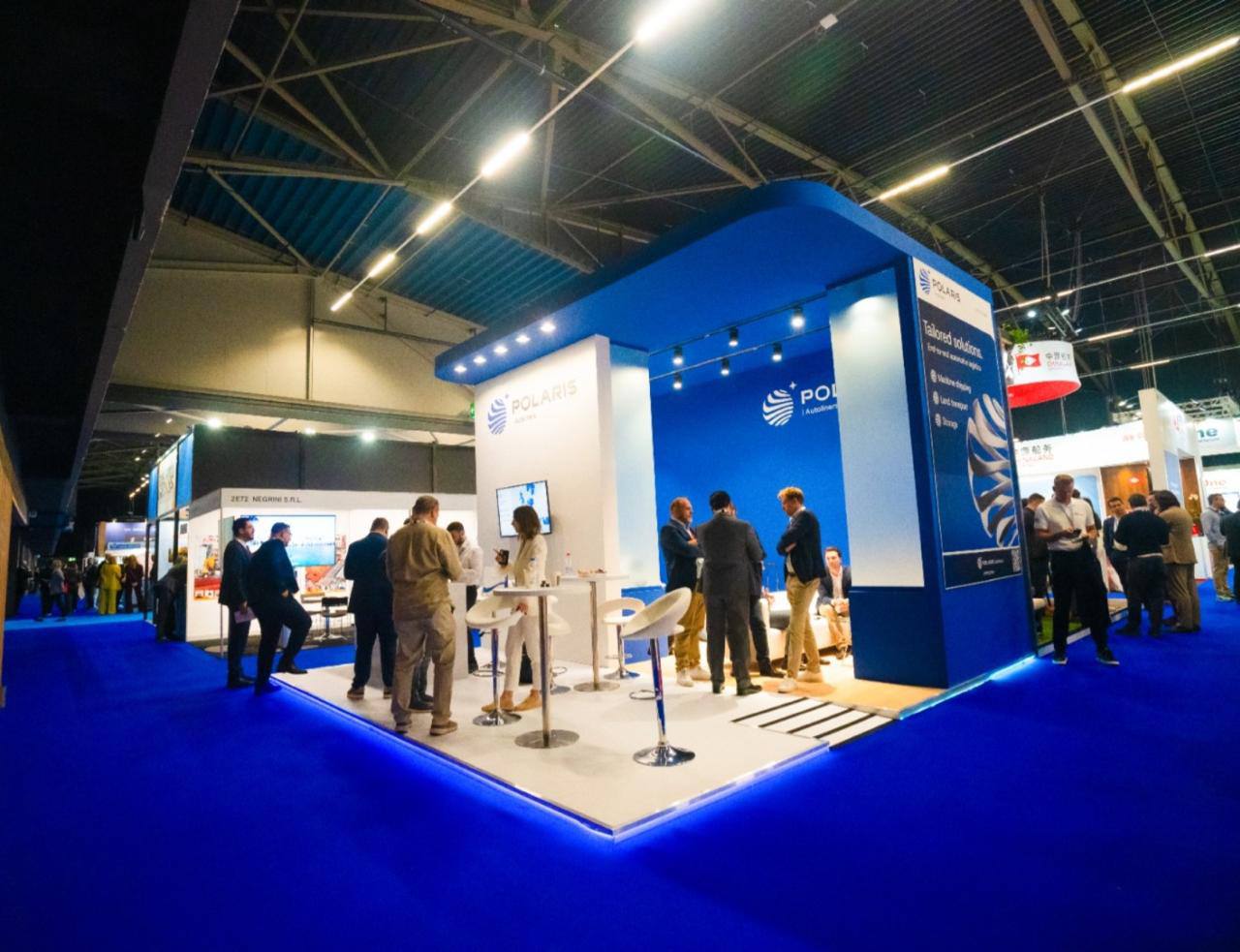
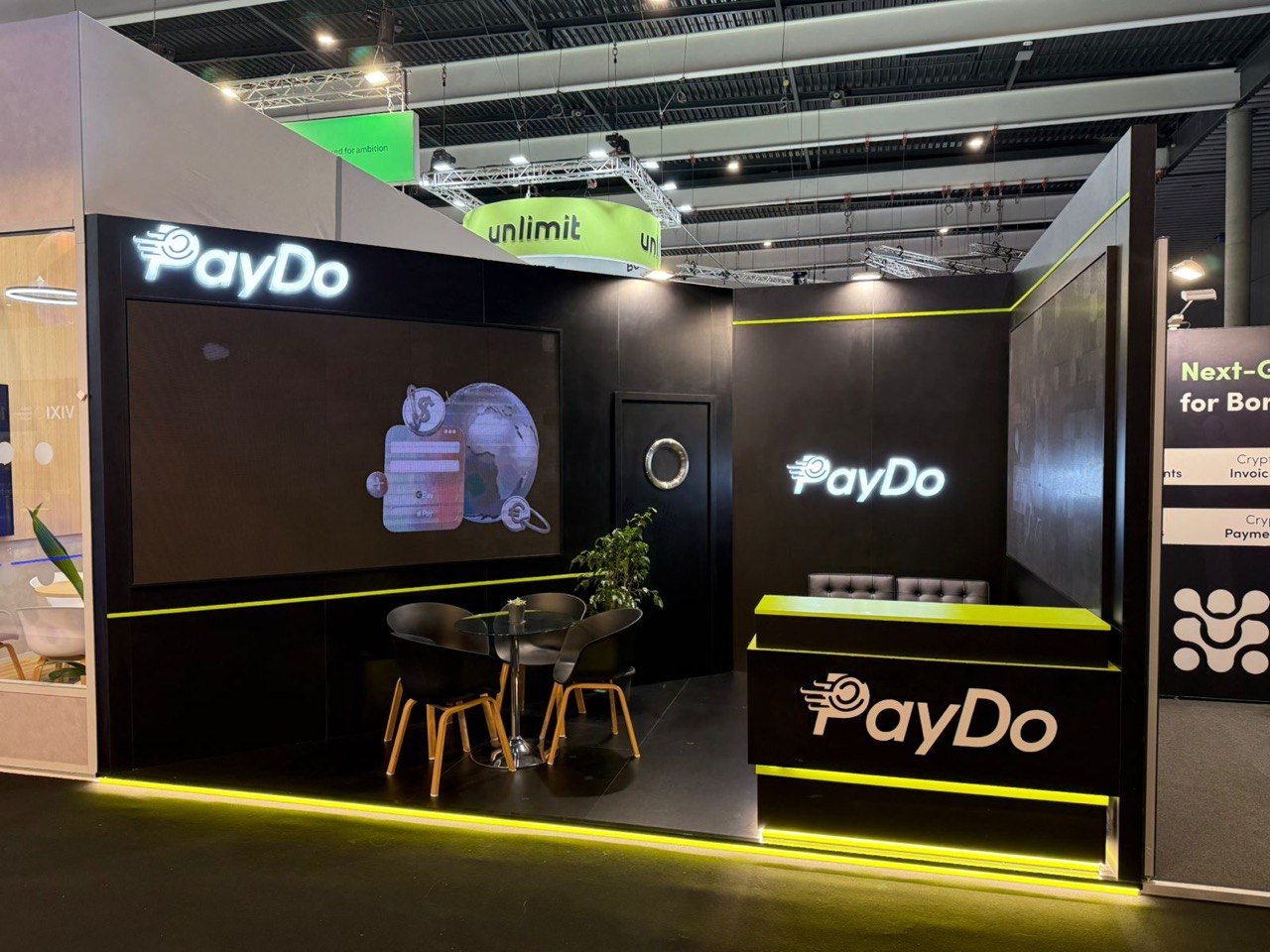
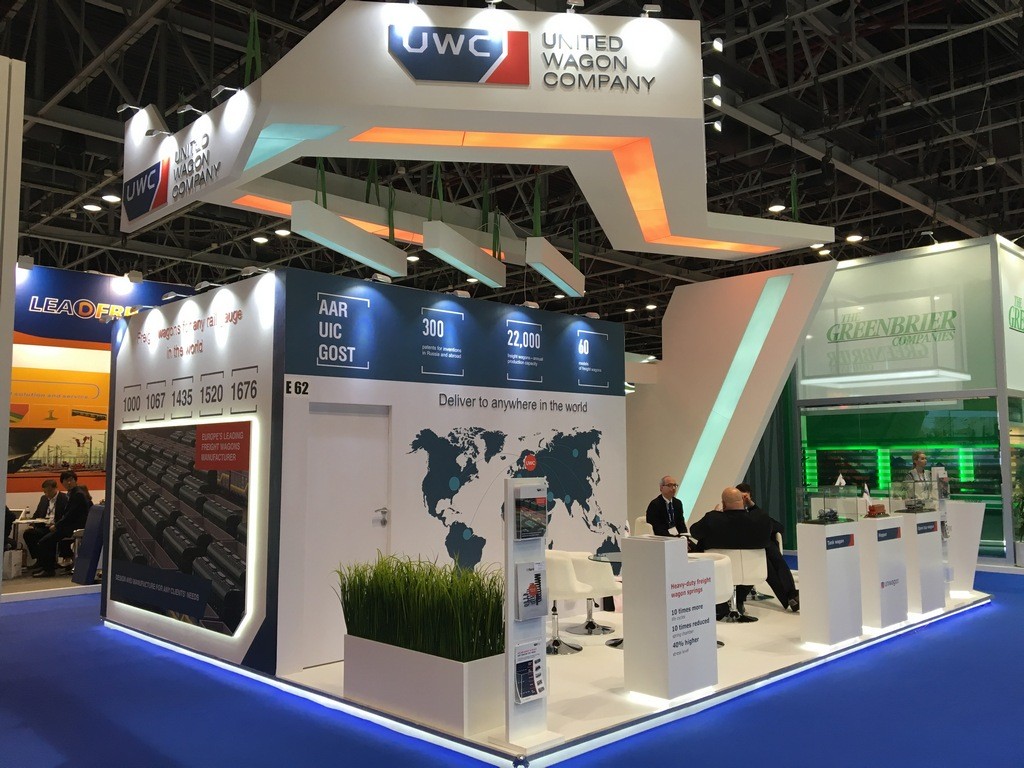
The single highest-return feature. Hall lighting is flat and grey; deliberate stand lighting — spotlights on products, backlit graphics, warm light in the meeting area, an illuminated header — makes a stand look brighter, more expensive and more welcoming, and directs the eye to what matters.
Movement
The eye tracks movement in a static hall. A slowly rotating header, a kinetic sculpture, or motion content on a screen creates a point of difference that reads from a distance. One moving element is enough.

Product Display
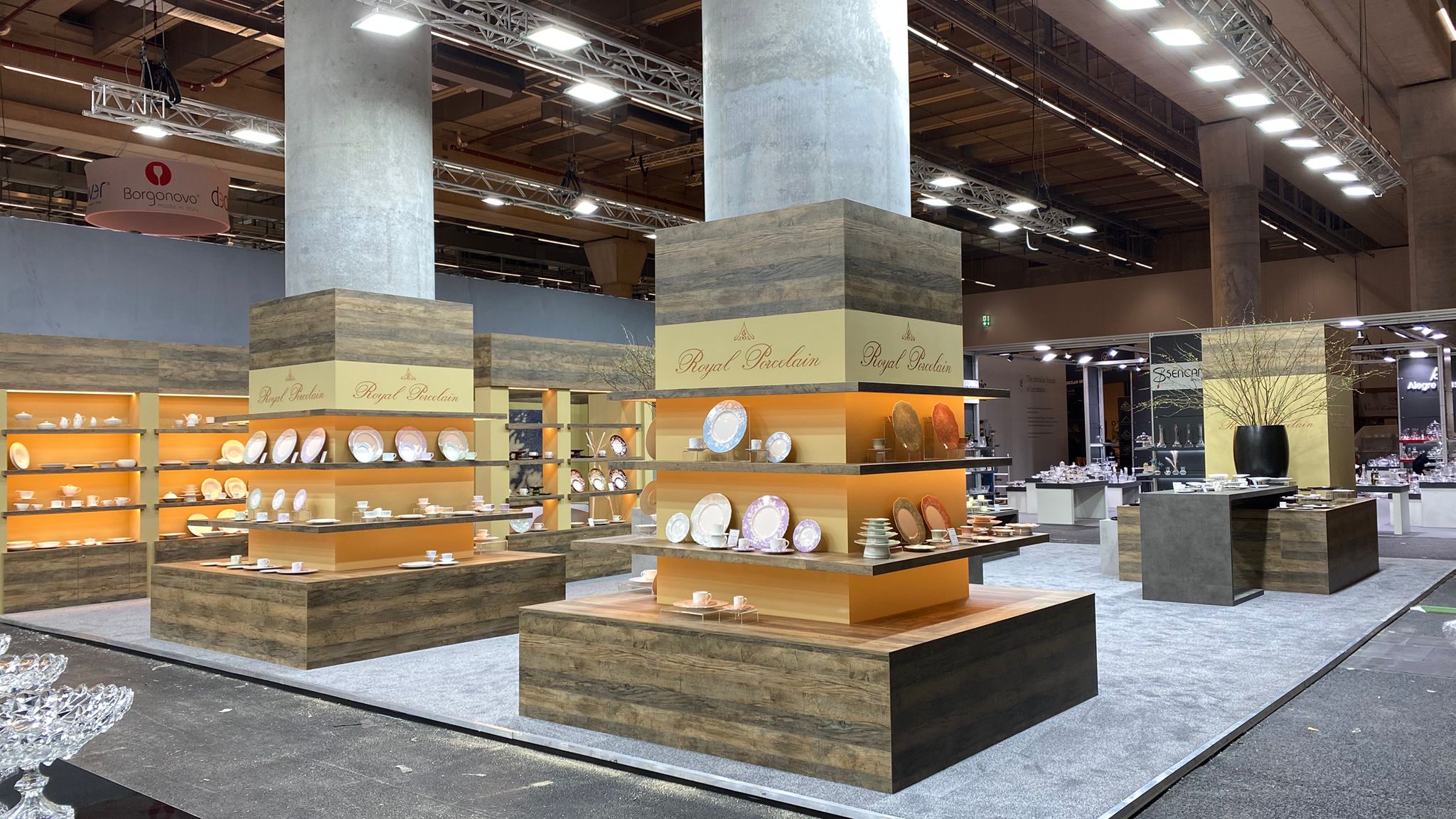
If your product benefits from being seen or handled, design the display properly:
- Plinths and illuminated cases for hero items;
- integrated mounting so products look part of the stand, not bolted on;
- a demo area with room for a small audience.
Our stand for Wolong at SPS Nuremberg built the whole layout around industrial product plinths.
Screens and Content
A screen needs a reason to exist — a short looping demo, a configurator, live data, a showreel. A wall of screens playing a corporate video on loop is wallpaper. Keep content short, muted-friendly and captioned.
Interactive Elements
A quiz, a prize mechanic tied to lead capture, a VR or AR experience, a simple game. Interactivity works when it is quick, on-message and gives the staff a reason to start a conversation. Skip it if it needs a queue or a manual.
Hospitality and Meeting Space
Often the most valuable “feature” of all: semi-private seating where your team can hold the conversations that actually move deals. On larger stands this becomes a lounge or, on a double-deck booth, a first floor.
Flooring
Raised platforms, printed vinyl, LED floors and premium carpet all change how a stand reads. A printed floor graphic is a low-cost way to define the space and extend the brand underfoot.
Storage
Not glamorous, but a lockable cupboard for coats, bags, stock and the kettle keeps every other feature looking sharp all day. See how to include storage in a stand.
How to Choose
You do not need all of the above. Pick based on the objective:
- Attract from distance → height, lighting, movement.
- Show a product → display plinths, demo area, screens.
- Generate leads → one interactive + lead capture.
- Close deals → hospitality and meeting space.
Then build those few features to a high standard rather than spreading the budget thin.
Maverick designs and builds stand features — lighting, AV, display, hospitality — as part of one turnkey service. Talk to us.
Frequently Asked Questions
What is the most effective exhibition stand feature?
Lighting. It is relatively inexpensive and it changes how the whole stand reads — brighter, more premium, more inviting — while directing attention to your products and message.
Do I need interactive technology on my stand?
Only if it is quick, on-message and gives staff a reason to open a conversation. One well-chosen interactive beats several gimmicks. A screen with no clear purpose is wasted budget.
What features help generate leads at a trade show?
A single interactive element tied to a lead-capture app, a clear reason to scan (show-only offer, prize, resource), and enough open space that people feel able to step on.
How much of the budget should go on stand features?
After the structure, graphics and lighting, features are usually a modest share. Spend it on one or two done well rather than many done cheaply.
What is the difference between a stand feature and stand design?
Design is the overall spatial and brand concept. Features are the specific elements within it — lighting, movement, display, screens, hospitality — that perform defined jobs.