
Reusable Exhibition Stands: Breaking the Stereotypes

A reusable exhibition stand is designed to be rebuilt for show after show rather than scrapped after one event. The stereotype is that reusable means basic, repetitive and obviously “systemy”. A properly designed one is none of those things — and it is the single biggest lever on both exhibition cost and exhibition sustainability for a regular exhibitor.
Reusable vs Recyclable
These get confused. A recyclable stand can be broken down and its materials reprocessed — better than landfill, but it still consumes energy and material every cycle. A reusable stand is rebuilt as-is, so the impact and the cost are spread across years of use. Reuse sits above recycling in every environmental hierarchy — the detail is in sustainable exhibition stands.
Types of Reusable Stand
- Modular system stands — a reconfigurable aluminium frame with refreshable graphic panels. The most flexible reusable format; see modular exhibition stands.
- Reusable custom builds — a bespoke structure engineered from the start for repeat use, with a documented reinstall process.
- Hybrid stands — a reusable core carrying the brand, plus custom feature elements changed per show.
Breaking the “Looks the Same” Stereotype
A reusable stand looks different at each show when it is designed to:
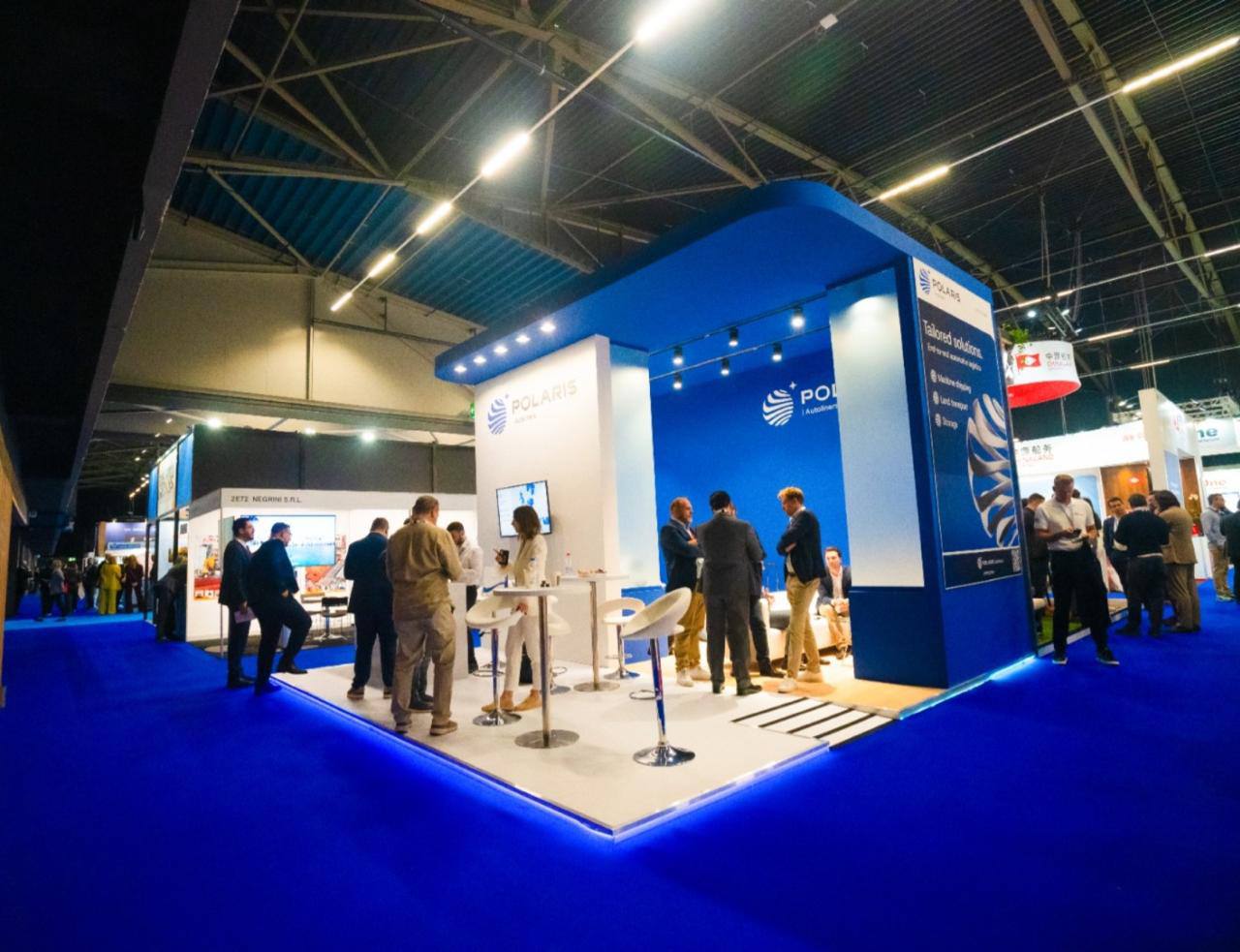
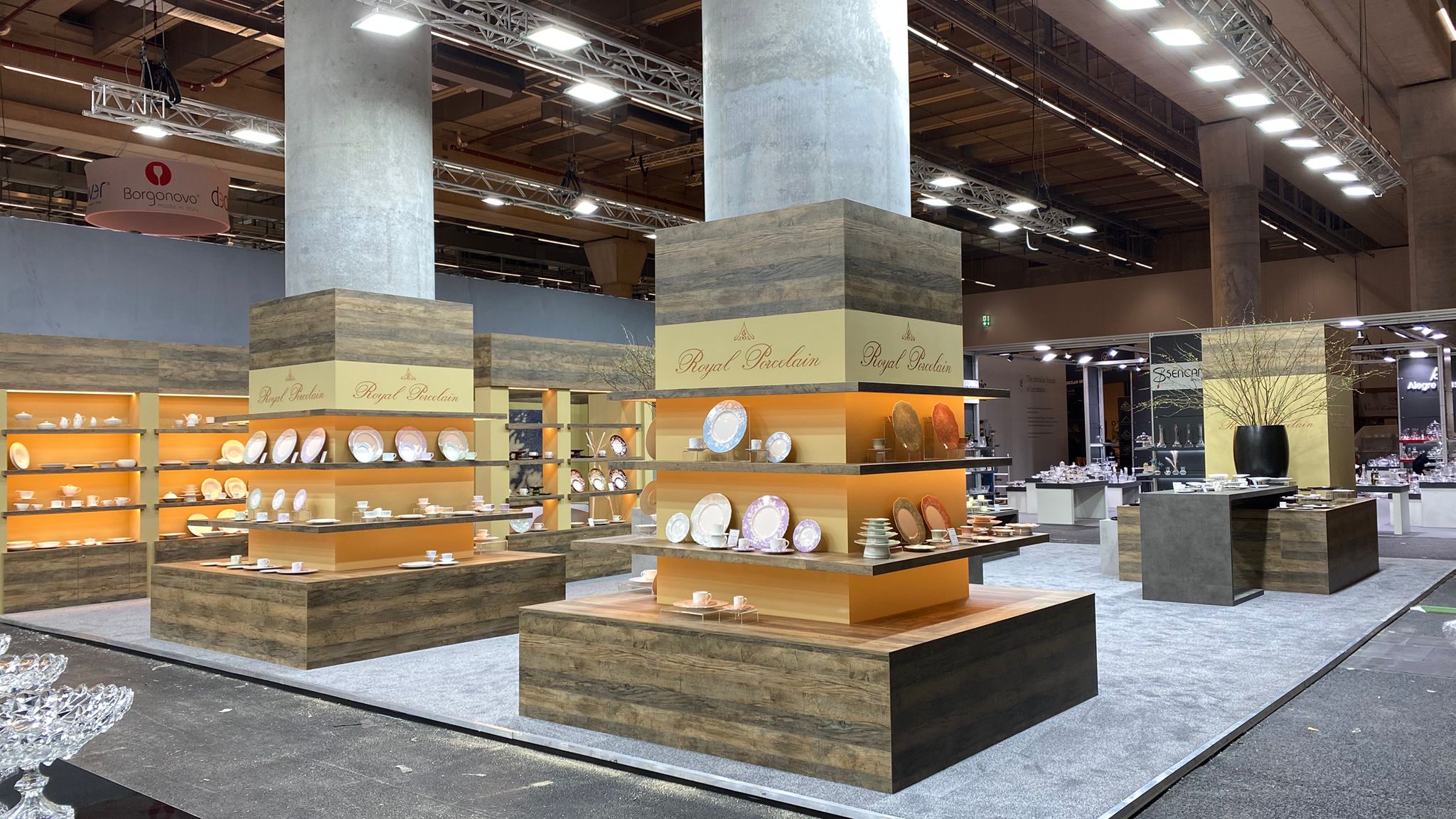
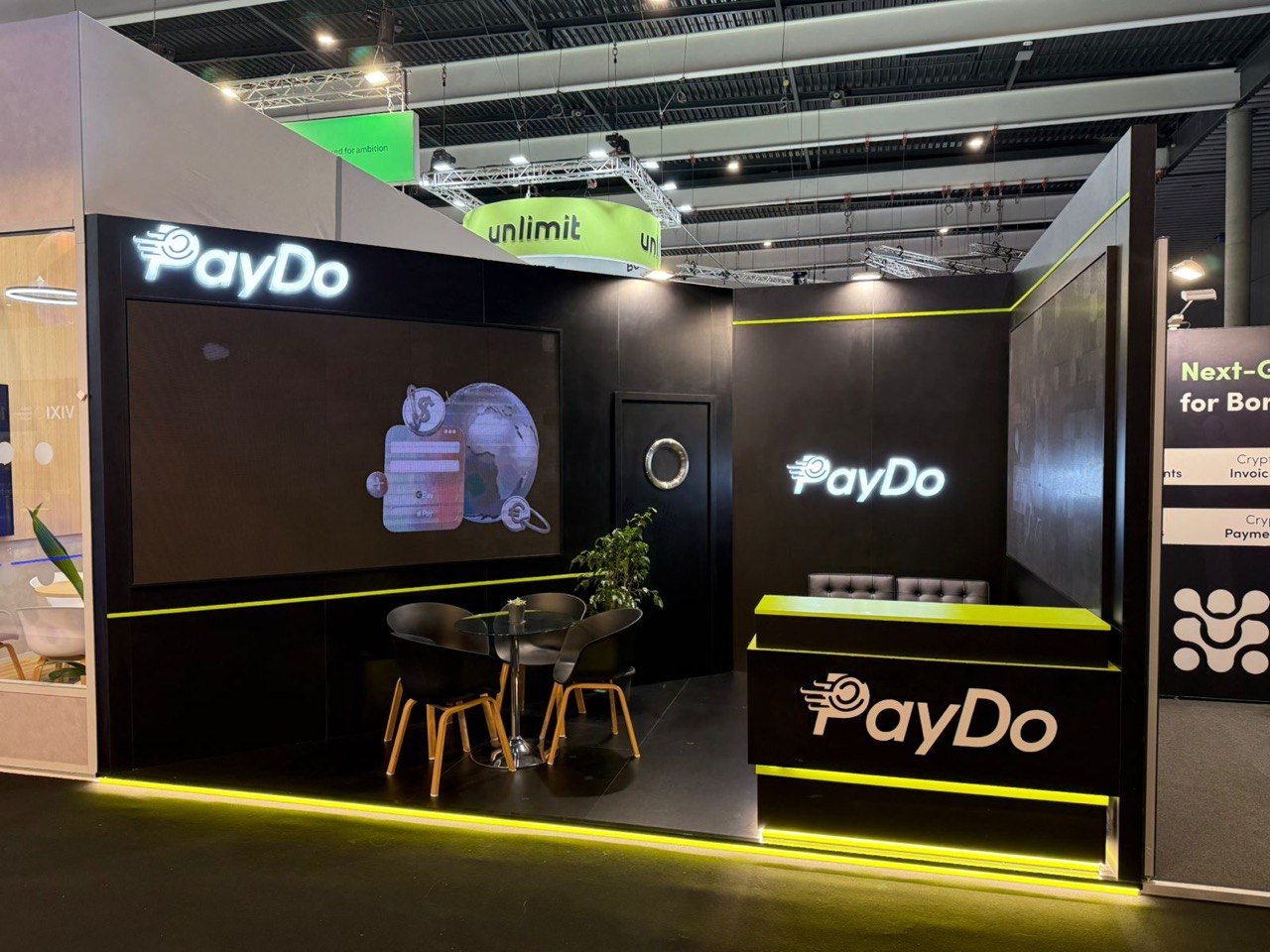
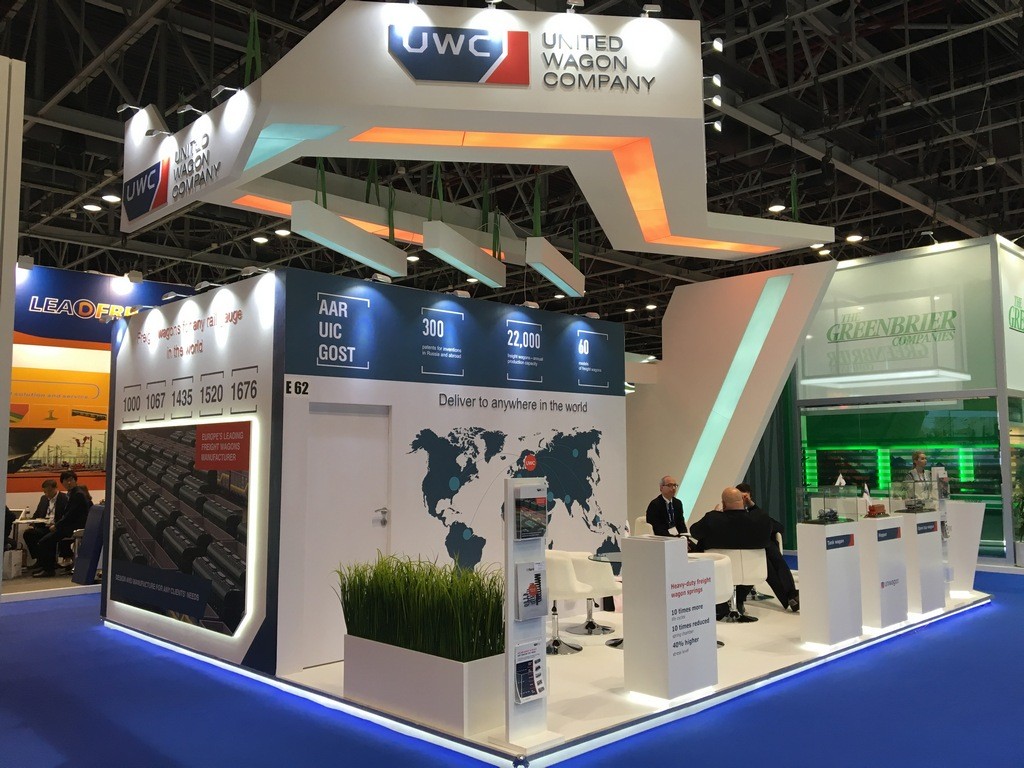
- change size and layout — the same kit as a row stand, then a peninsula, then an island;
- carry fresh graphics — the frame stays, the story updates;
- swap feature elements — a new demo pod, a different hospitality layout, seasonal branding.
This is reconfiguration, and it is a design decision made at the concept stage, not an afterthought.

The Benefits
- Cost. The first build is the investment. Reinstalls run far below it, so the per-show cost falls every time you exhibit — see the cost guide.
- Consistency. One brand look across a calendar, one contractor, one point of contact.
- Speed. A known kit rebuilds faster and with fewer surprises than a fresh custom build.
- Sustainability. The hardware is used to its full life; only graphics are replaced.
- Simpler planning. You are adapting a known asset, not starting from zero each time.
The Trade-offs
- Higher upfront cost than a one-off shell-scheme upgrade or a single hire.
- Storage — the stand needs a home between shows (a service Maverick provides).
- Design discipline — the reconfigurations must be planned together, which constrains each individual layout slightly.
- Not for one-offs — if you exhibit once a year, hiring is usually cheaper.
When Reuse Pays Back
The rough rule: a reusable stand starts saving money once you have used it at three to four shows. After that the gap versus commissioning a new stand each time widens quickly. If your calendar has three or more shows a year, or a rolling two-year cycle of major fairs, reuse almost always wins.
Maverick designs reusable modular and custom stands, stores them between shows, and reconfigures them for each new space. See our work or send us your brief.
Frequently Asked Questions
What is a reusable exhibition stand?
A stand designed to be rebuilt for multiple shows rather than scrapped after one. It can be a modular system, a custom build engineered for repeat use, or a hybrid of the two.
Do reusable stands look the same at every show?
Only if they are designed that way. A well-planned reusable stand changes size and layout, carries fresh graphics, and swaps feature elements, so it looks new each time.
How many shows before a reusable stand pays for itself?
Typically three to four. The first build carries the cost; reinstalls run well below it, so the per-show cost drops with every outing.
What is the difference between reusable and recyclable?
A reusable stand is rebuilt as-is across many shows. A recyclable stand is broken down and its materials reprocessed — better than landfill, but energy- and material-intensive each cycle.
Where is a reusable stand stored between shows?
With your contractor, ideally near your show circuit so it does not have to be shipped home and back. Maverick includes storage and reconfiguration as a service.