9 Common Exhibiting Mistakes and How to Avoid Them

Most exhibitions that disappoint were lost months before the doors opened — in a rushed timeline, a budget split the wrong way, or a follow-up plan that never existed. None of these mistakes are dramatic. They are quiet, common and expensive, and almost all of them are avoidable with a bit of foresight.
Here are the nine we see most often, and what to do instead.
1. Starting too late
Late starts cascade: you miss early-bird space rates, get a poor stand location, compress the design into a rush job, and run out of time to train staff and brief a follow-up process.
Avoid it: start 9–12 months out for a major fair, 6 months for a smaller one. Work backwards from the organiser’s deadlines — space payment, stand-plan submission, Standbaugenehmigung for space-only stands at German fairgrounds, rigging and electrical orders. Our trade show planning timeline lays it out month by month.
2. Choosing the wrong show
Exhibiting at a fair because a competitor is there — or because a salesperson had a good time last year — burns budget on the wrong audience.
Avoid it: match the show’s audited visitor profile (numbers, seniority, buying authority, country of origin) to your target customer. For German fairs, use AUMA data and the official post-show report. Distinguish the Leitmesse (global flagship) from regional feeder events.
3. Over-spending on space, under-spending on the stand
A big empty plot with a weak stand looks worse than a smaller plot done well. Space is the single biggest line item and it is easy to over-book.
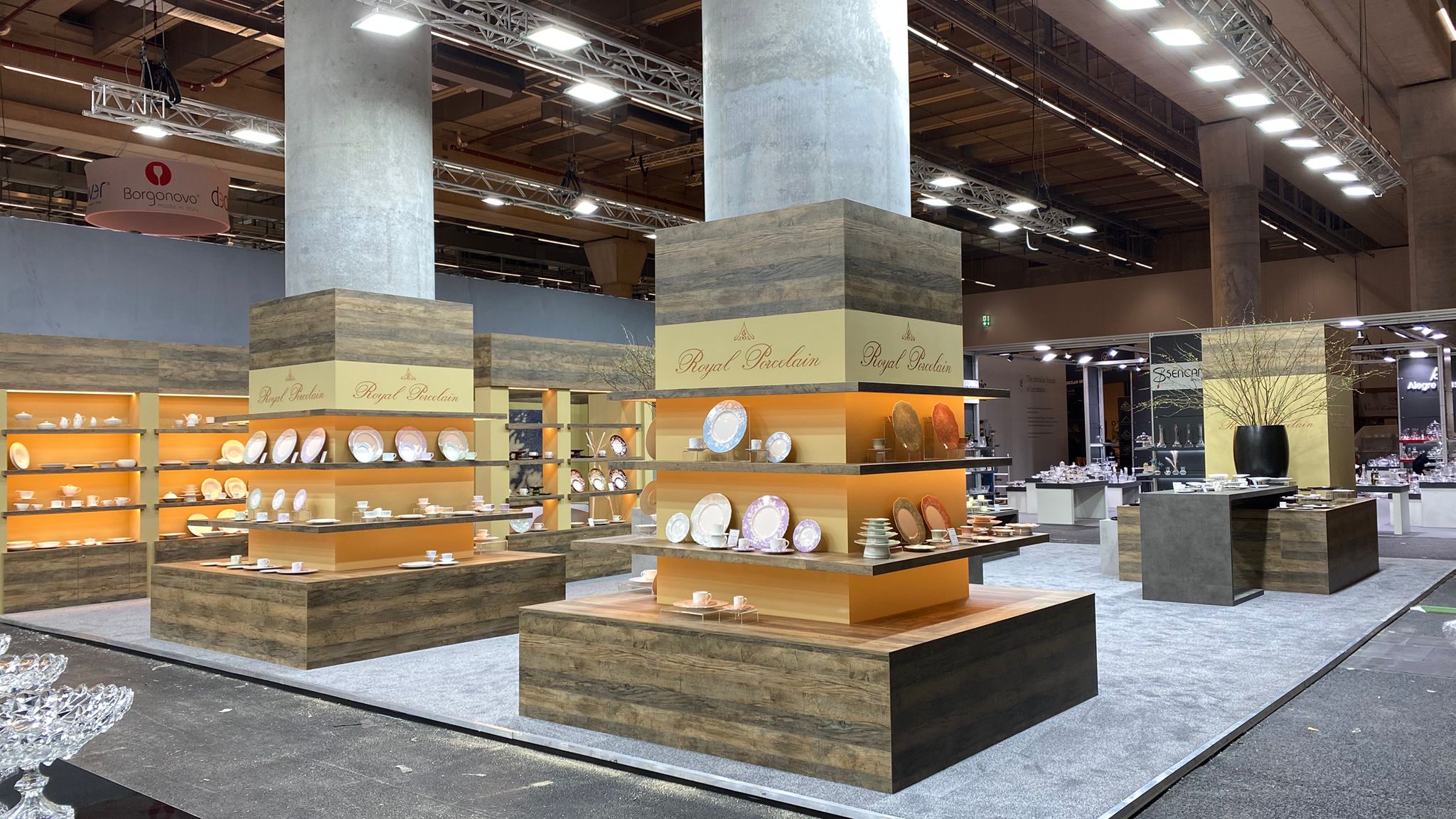
Avoid it: size the plot to what you can fill impressively, then protect the design and build budget. As a rough split, floor space is 20–35% of the total and the stand 30–40% — see the full exhibition stand cost breakdown. A well-designed small stand beats a sparse large one.
4. Buying cheap and paying twice
The cheapest quote usually wins by removing the things you only notice when they are missing: in-house build, a workshop pre-build, buffer time in the schedule, an experienced project manager, quality materials.
Avoid it: compare itemised quotes on the same brief, ask what is excluded, and confirm the contractor builds in-house and pre-builds your stand. Our guide on choosing an exhibition stand contractor lists the questions and the red flags.
5. A stand that closes itself off
Counters across the front, walls facing the aisle, no clear entry point — visitors read this as “not open for business” and walk past.
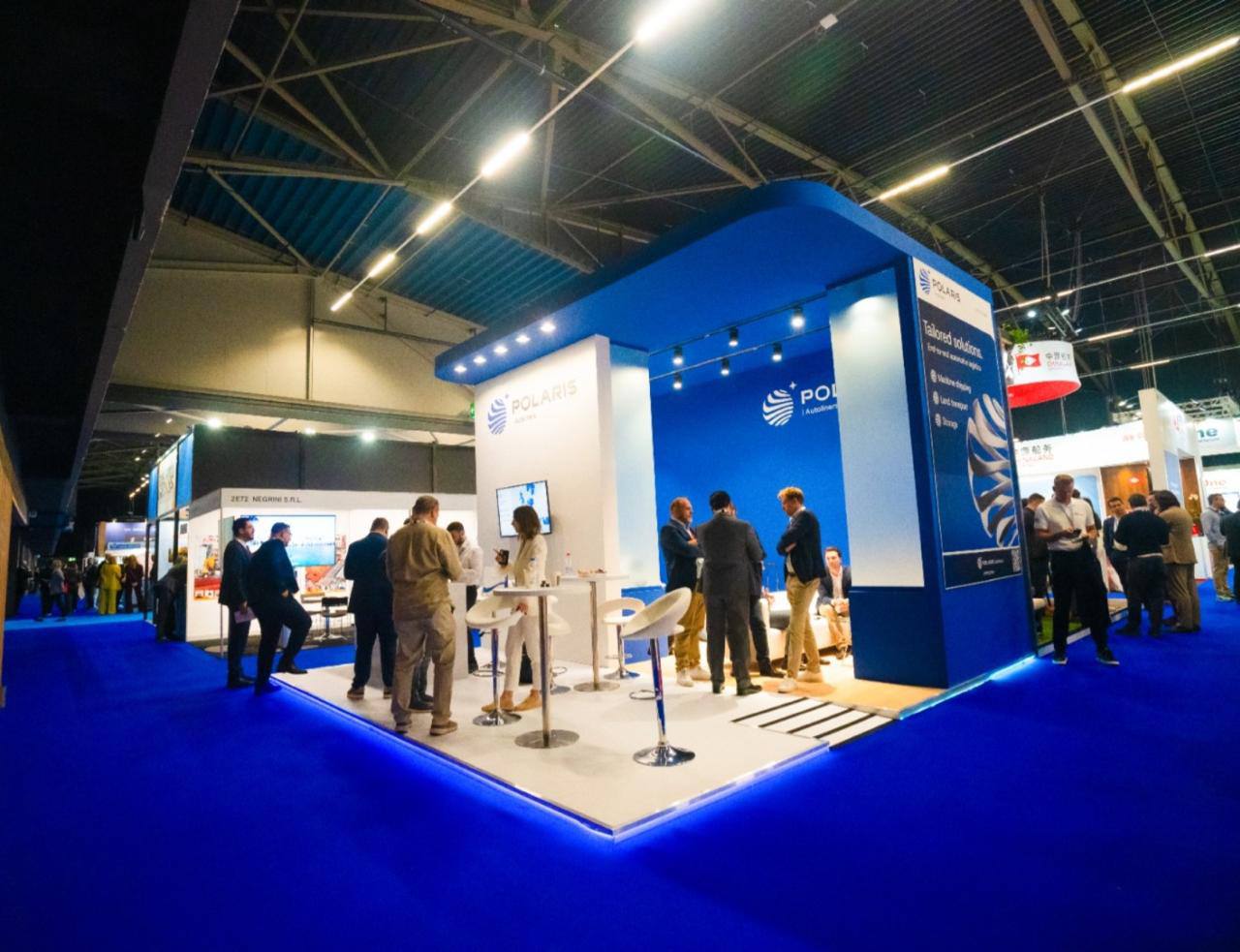
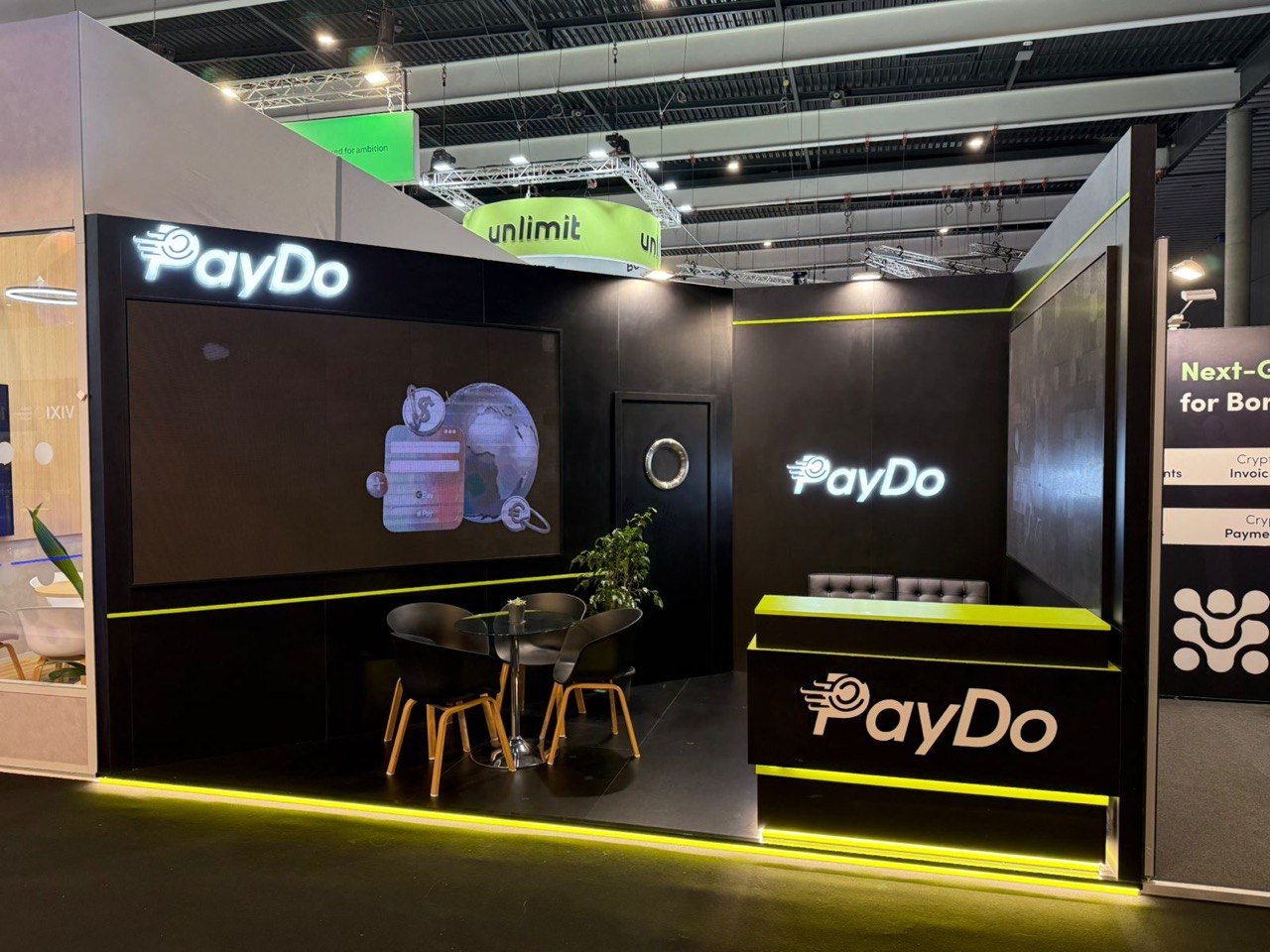
Avoid it: keep at least one side genuinely open, put counters to the side, place an inviting focal point where the traffic flows, and keep sightlines into the stand. This is core to what makes a good exhibition stand.
6. Too much text, no clear message
If a visitor cannot tell who you are and why they should care in three seconds, the stand has failed its first job. Walls of paragraphs, spec tables and cluttered graphics all cause this.
Avoid it: one headline benefit and your category, legible from across the hall. Everything else belongs in the conversation and the follow-up material.
7. Weak lighting
Hall lighting is flat and grey. A stand lit only by the ceiling looks cheaper and smaller than it is, and nothing draws the eye.
Avoid it: budget for designed lighting — spotlights on products, backlit graphics, warm light in meeting areas. It is one of the cheapest ways to lift a stand’s perceived quality.
8. The wrong people on the stand
Staff who cluster together, look at phones, sit down, or cannot qualify a visitor quickly undo everything the stand does. Sending whoever was available is a common default.
Avoid it: pick outgoing, knowledgeable people, brief them on stand behaviour, give them a short set of qualifying questions and a demo script, set daily lead targets, and run a rota so nobody is on for eight hours straight. Add a German speaker for shows in the DACH region.
9. No follow-up plan
The most expensive mistake of all: a concentrated batch of warm leads that sits in a spreadsheet for two weeks and goes cold. By then the visitor has forgotten the conversation.
Avoid it: decide before the show who contacts which leads, how fast (within 48 hours), and with what message. Score leads on the stand so the hot ones are called first. Then measure the ROI over a full sales cycle, not just the weeks after the show.
The Pattern
Eight of these nine mistakes are planning and process failures, not design failures. Fix the timeline, the budget split, the brief, the staffing and the follow-up, and the stand itself becomes the easy part.
Maverick handles design, build, installation and on-site project management as one turnkey service across Germany and the EU — so the process side is covered. See our work or send us your brief.
Frequently Asked Questions
What is the most common exhibiting mistake?
Starting too late. It forces a poor stand location, a rushed design, undertrained staff and a weak follow-up plan — the four things that most often sink an exhibition.
How much of an exhibition budget should go on the stand versus the space?
As a rough guide, floor space is 20–35% of the total budget and the stand design and build 30–40%. Over-booking space and under-spending on the stand is a frequent, visible mistake.
How soon should you follow up trade show leads?
Within 48 hours, while the conversation is still fresh for the visitor. Prioritise by the lead score you assigned on the stand, and tag every follow-up to the show so you can measure ROI.
How many staff do you need on an exhibition stand?
Enough to run a rota so nobody works a full day without a break, and so two visitors and a staff member never feel crowded. Roughly one staff member per 4–5 m² of open stand space is a common starting point.
Do cheap exhibition stand contractors really cost more?
Often, yes — indirectly. Lower quotes usually remove the workshop pre-build, in-house labour, schedule buffer and experienced project management, which is where show-day problems and rebuild costs come from.