What Is a Trade Show? Types, How They Work and Why Exhibit

A trade show is a live, industry-specific event where companies in the same sector gather under one roof to show their products, meet buyers and track where their market is heading. Some are strictly trade-only (open to professionals with a business reason to attend); others add public days. In Germany the term you will hear is Messe, and the format is taken more seriously here than almost anywhere else in the world.
If you are weighing up your first exhibition — or trying to explain the budget line to a finance director — this guide covers what a trade show actually is, the main types, what happens on the floor, and why face-to-face exhibiting still earns its place next to digital marketing.
How a Trade Show Works
Most trade shows follow the same rhythm:
- an organiser books a venue, sells floor space to exhibitors and sells or gives tickets to visitors;
- exhibitors book a stand space — either a bare floor area (space only) or a pre-built shell (shell scheme) — and fill it with a stand, staff, products and demos;
- visitors walk the halls over one to five days, comparing suppliers, attending talks and booking meetings;
- a supporting programme of keynotes, panels, award ceremonies and networking events runs alongside the exhibition.
The organiser sets the rules: build-up and breakdown schedules, maximum stand heights, rigging and electrical regulations, and health-and-safety requirements. At the large German fairgrounds these are published as Technische Richtlinien (technical guidelines) for each event, and your stand builder is responsible for building to them.
The Main Types of Trade Show

By audience
- B2B trade fairs — professionals only. The visitor is there to source, specify or buy. Conversations are technical and the sales cycle continues long after the show.
- B2C consumer shows — open to the public. Think home, travel, wedding or motoring shows. Footfall is high, transactions are often immediate.
- Hybrid / mixed shows — trade days first, public days after. Common in food, design and lifestyle sectors.
By scale and role
- Leitmessen (leading international fairs) — the definitive global event for a sector, drawing exhibitors and visitors from every continent. Germany hosts around two-thirds of the world’s leading international trade fairs — Hannover Messe, drupa, K, IAA, Ambiente, ISH, EuroShop and more.
- Regional and national fairs — smaller catchment, often a feeder for the flagship event.
- Conferences with an exhibition — the talks are the draw; the exhibition is a supporting marketplace.
- Tabletop and pop-up events — a single table or compact display, minimal build.
By stand space
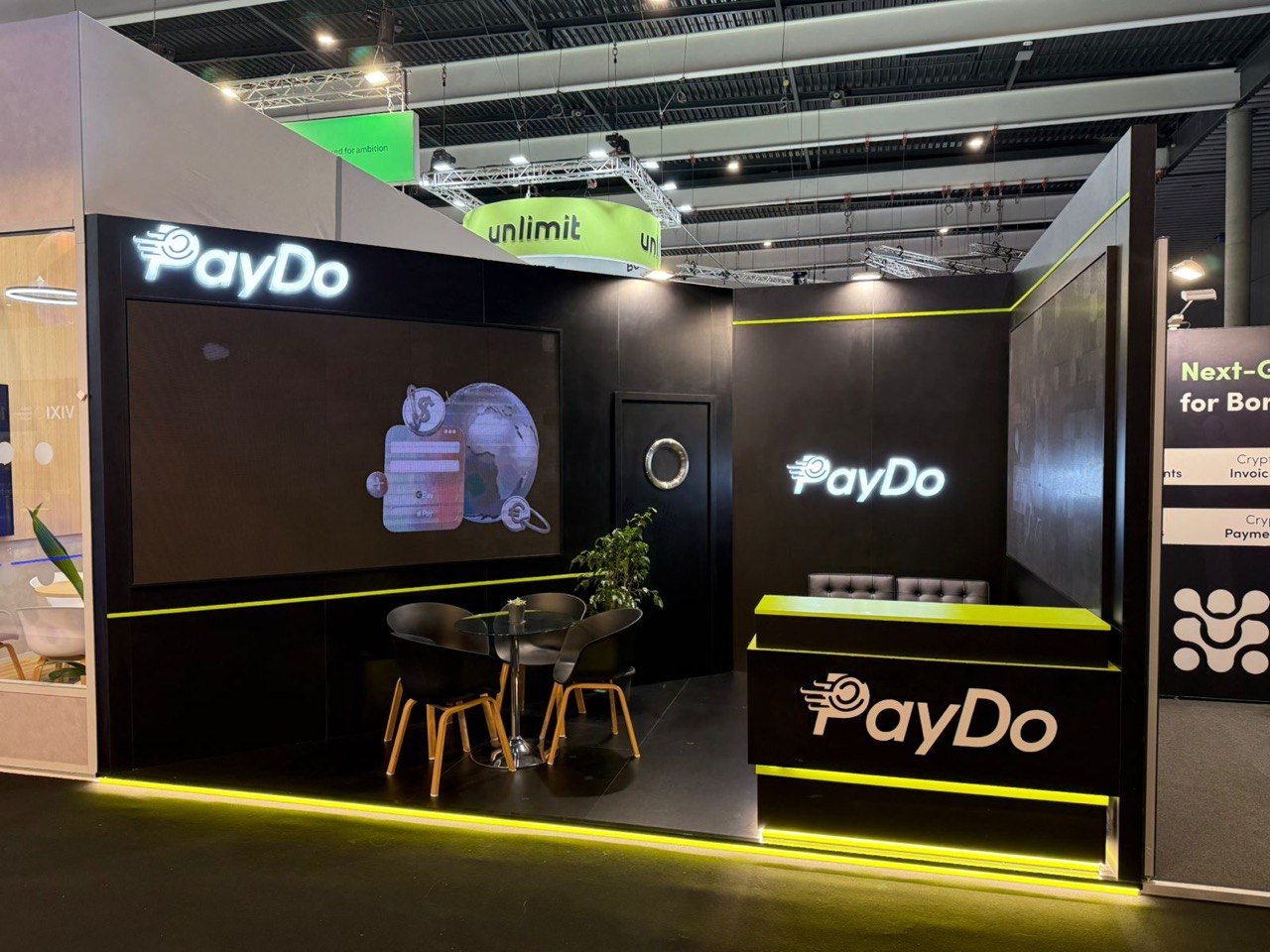
- Shell scheme — walls, fascia and carpet supplied by the organiser; you add graphics and furniture.
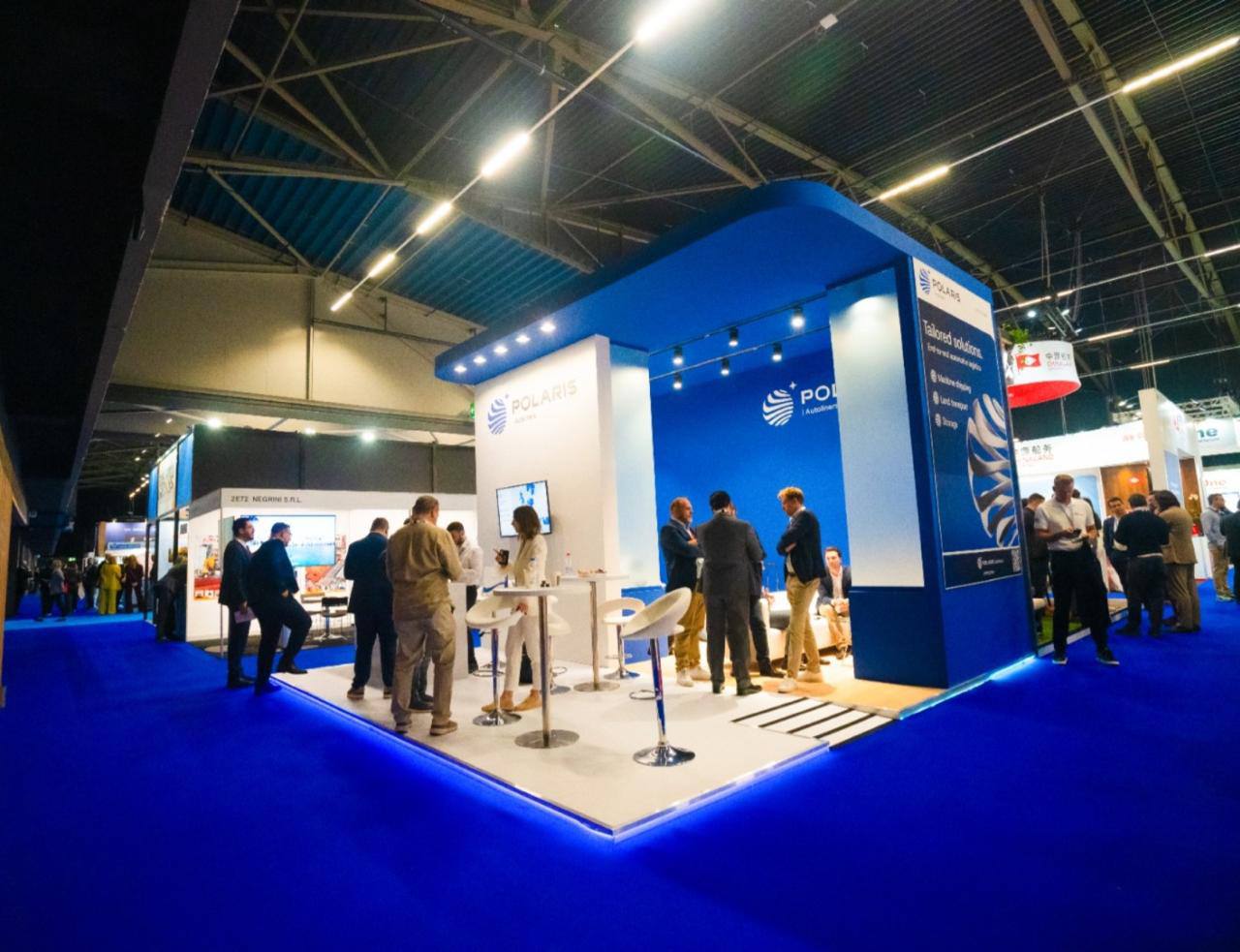
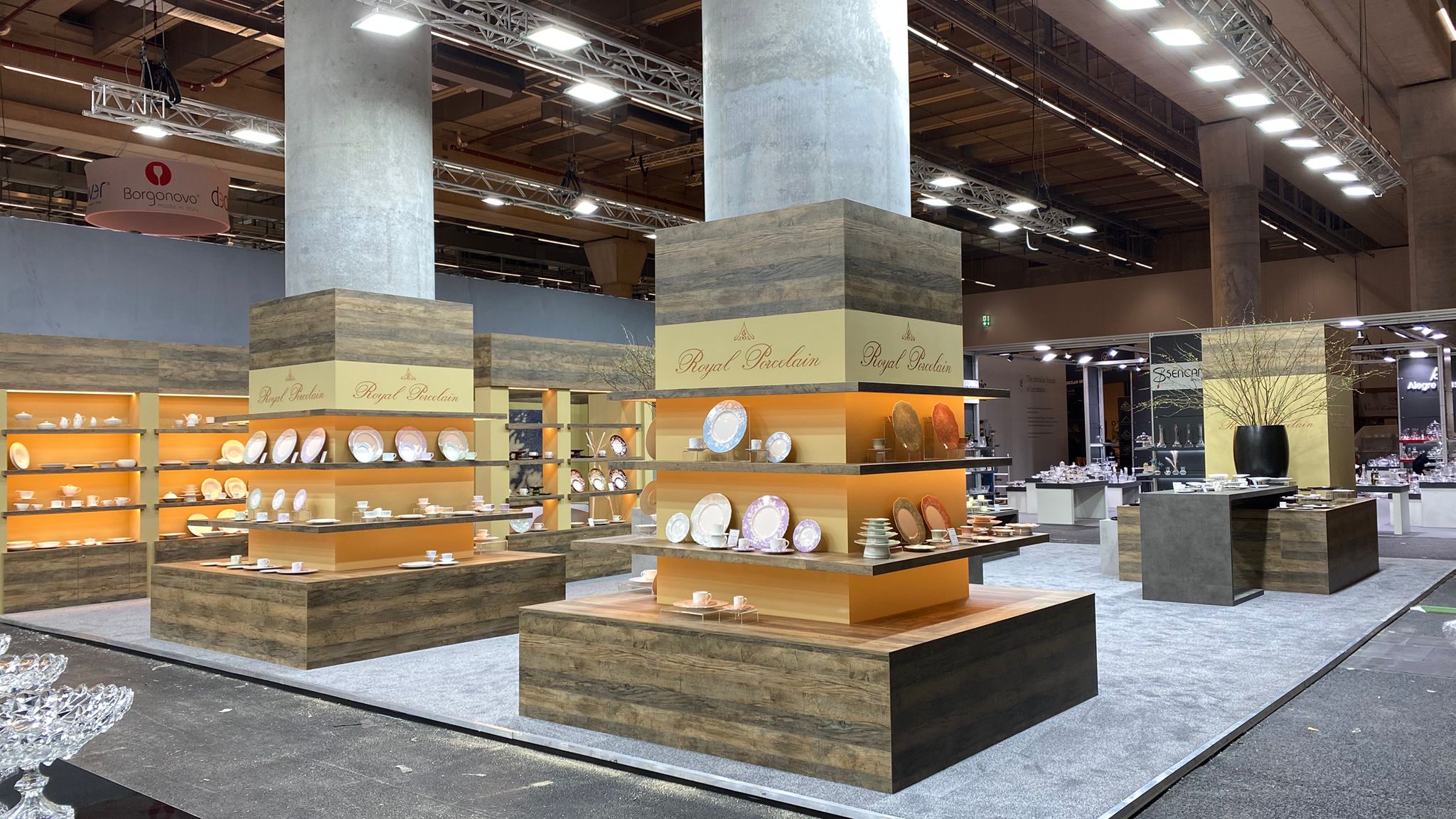
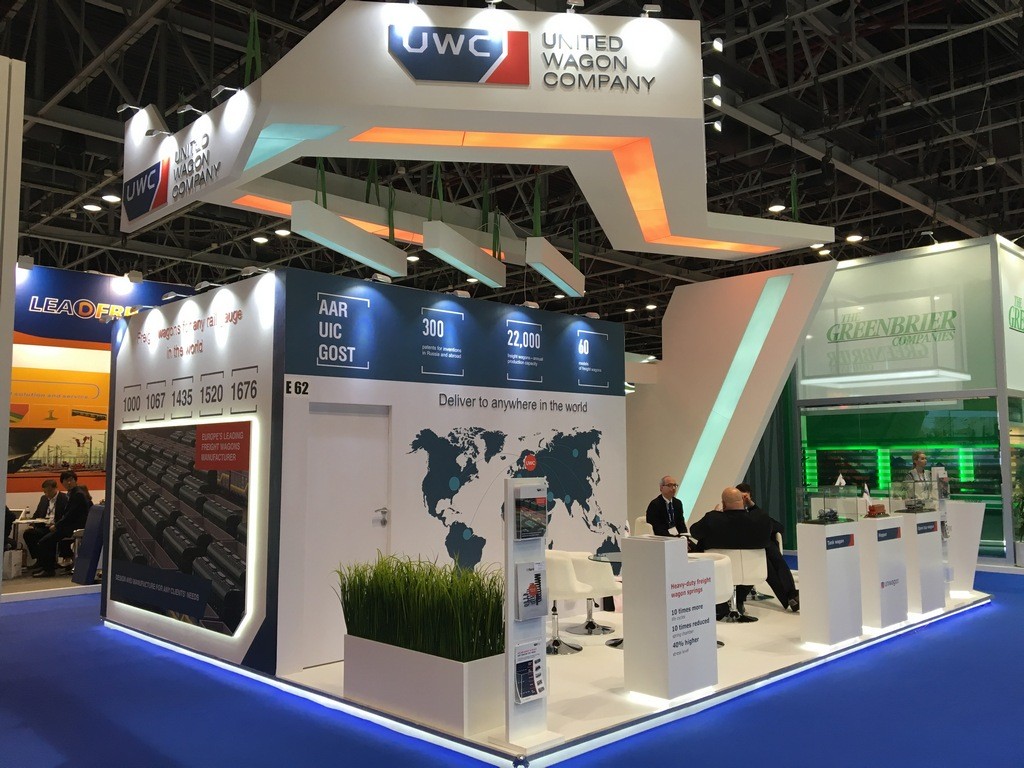
- Space only — a bare floor plot you build on freely. This is where custom stand design lives.
We break these down further in our guide to the types of exhibition stands.
What Actually Happens on the Floor
For exhibitors, a show day is structured selling: qualifying visitors quickly, running product demos, capturing leads, and holding pre-booked meetings with existing clients and prospects. Evenings are for the supporting programme and hospitality.
For visitors, the value is efficiency — seeing a whole market in two days, handling products, meeting the people behind them, and catching the keynote sessions where sector trends get set.
Why Exhibit at a Trade Show
Digital channels are efficient at the top of the funnel. Trade shows do something they cannot:
- Face-to-face trust. A 15-minute conversation on a stand moves a deal further than weeks of email. AUMA reports that a large majority of exhibiting companies rate trade fairs as important or very important for their B2B communication .
- Compressed sales cycles. Buyers who are hard to reach come to you, in a buying frame of mind.
- Live product experience. Visitors touch, test and compare — decisive for technical or design-led products.
- Market intelligence. One walk of the hall tells you what competitors are launching, pricing and promoting.
- Qualified pipeline. A well-run stand generates a concentrated batch of leads with clear follow-up value — provided you measure the return properly.
- New markets. For companies expanding into the DACH region or the wider EU, a German Leitmesse is the fastest way to meet distributors and buyers. See our guide to exhibiting in Germany from abroad.
Is a Trade Show Right for Your Business?
It usually is if: your customers already attend a recognised show in your sector; your product benefits from being seen or demonstrated; and you can commit to proper pre-show marketing and post-show follow-up. It is weaker if your market is tiny and highly concentrated (direct outreach may be cheaper), or if you cannot resource the follow-up — an unworked lead list is wasted budget.
The next step is choosing the right event and building a plan around it. Start with our trade show planning timeline and checklist, and when you are ready to talk about a stand, get in touch for a free consultation.
Frequently Asked Questions
What is the difference between a trade show, a trade fair and an exhibition?
In practice they are the same thing. “Trade fair” and Messe are more common in Europe, “trade show” in the UK and US, “exhibition” everywhere. “Expo” usually means a larger or public-facing event.
What is the difference between a trade show and a conference?
At a trade show the exhibition floor is the main event. At a conference the programme of talks is the main event, with a smaller exhibition alongside.
How much does it cost to exhibit at a trade show?
The main costs are floor space, the stand itself, logistics, staff and marketing. See our exhibition stand cost guide for typical 2026 ranges and a budget breakdown.
What is the difference between shell scheme and space only?
Shell scheme is a basic pre-built booth from the organiser. Space only is a bare floor plot you build on with a custom or modular stand — more freedom, more impact, more planning.
Who can attend a trade show?
Trade-only shows admit registered professionals with a business reason to attend. Consumer and hybrid shows have public days open to anyone with a ticket.